
Blog
Destination Net Zero — reduce carbon, restore ecosystems, revive our future.

Your Fleet's Carbon Footprint: A Measurement and Reduction Guide for Corporate Vehicle Fleets
Learn how to measure and reduce your corporate vehicle fleet's carbon footprint. Get certified carbon-neutral fleet status with Green Gold Wheels & Nord-Ubangi REDD+.
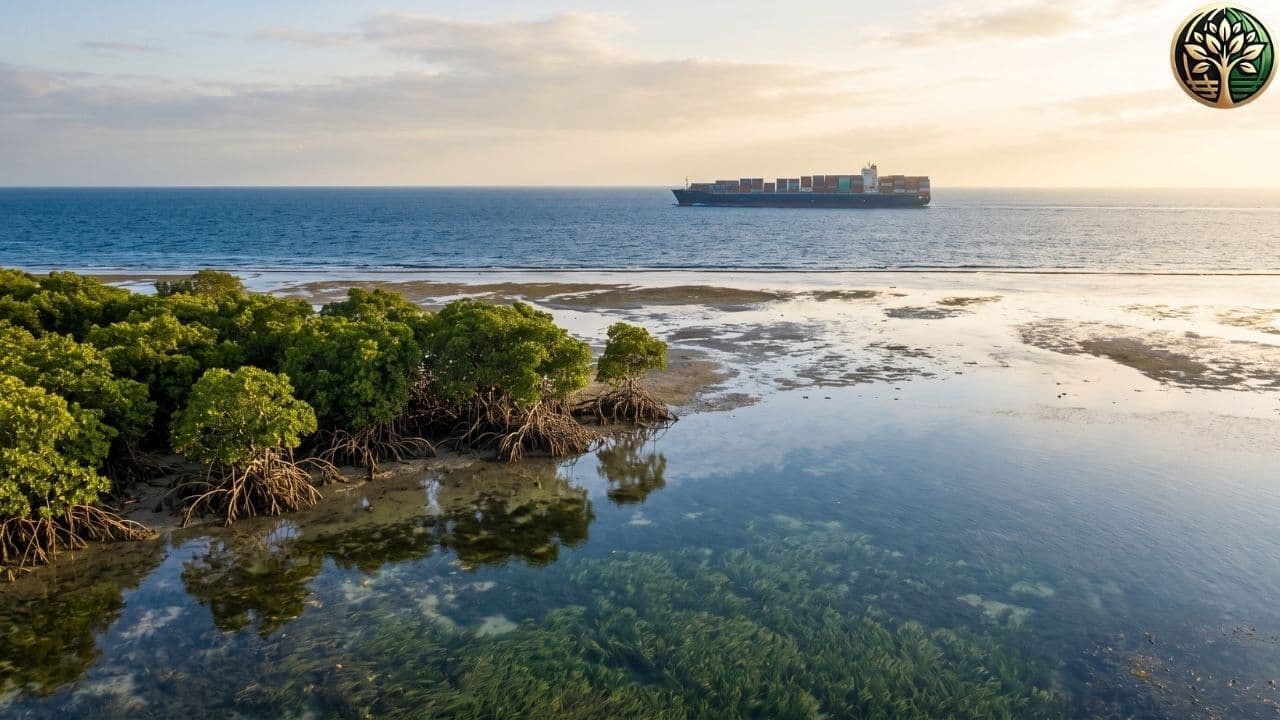
Green Gold Sea and Blue Carbon: Mangroves, Seagrasses, and Maritime's Net-Zero Horizon
Explore how Blue Carbon, mangroves, and seagrasses support maritime decarbonization and IMO 2050 targets through the Green Gold Sea initiative.

Green Gold Wings: Balancing Corporate Flights in the Era of CORSIA and SAF in Aviation
Manage Scope 3 corporate travel emissions in the era of CORSIA and SAF. Offset business flights with Green Gold Wings and the Nord-Ubangi REDD+ project.

How Plastic Pollution Affects Forests: The Importance of Plastic-Free July
The "Plastic-Free July" movement, a global campaign encouraging millions of people to reduce their single-use plastic consumption, is therefore a vital turning point not just for the oceans, but also for safeguarding forests, the beating heart of terrestrial life.
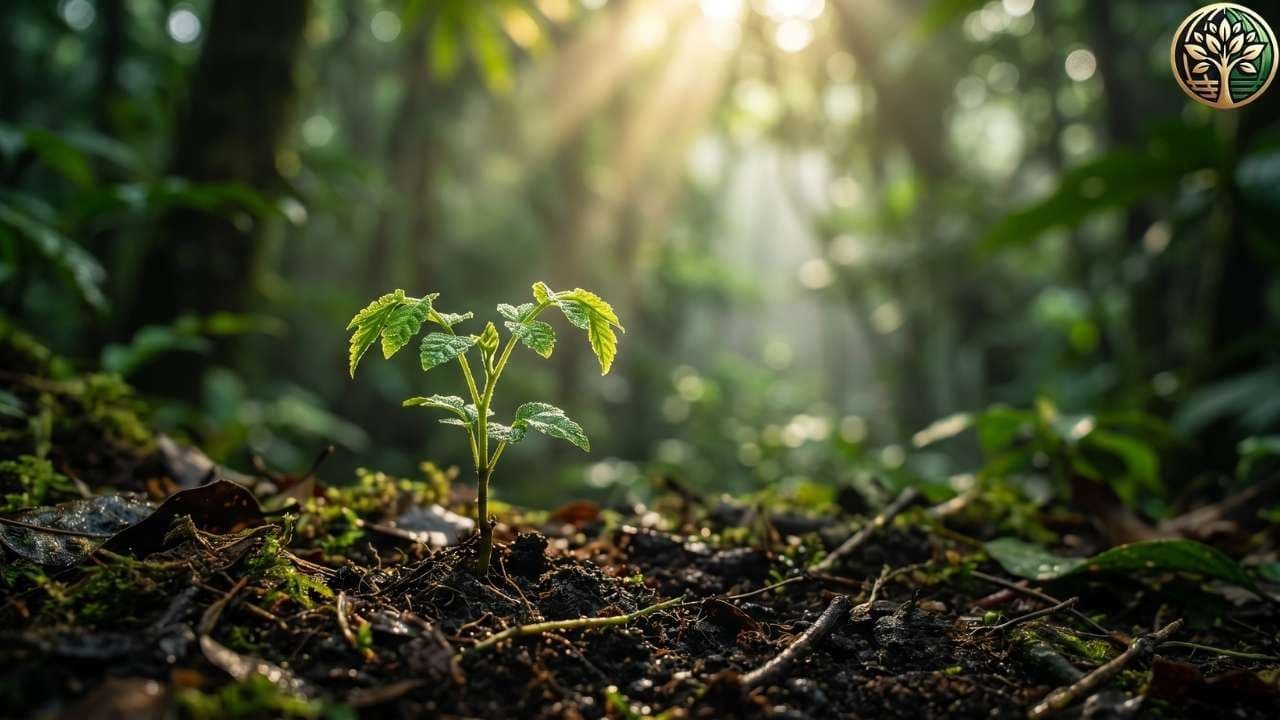
From a Tree to a Credit: How Reforestation Projects Generate Carbon Credits
But how does this silent miracle of nature transform into a verified, commercial asset—a carbon credit—that serves the climate goals of global corporations in today's green economy?
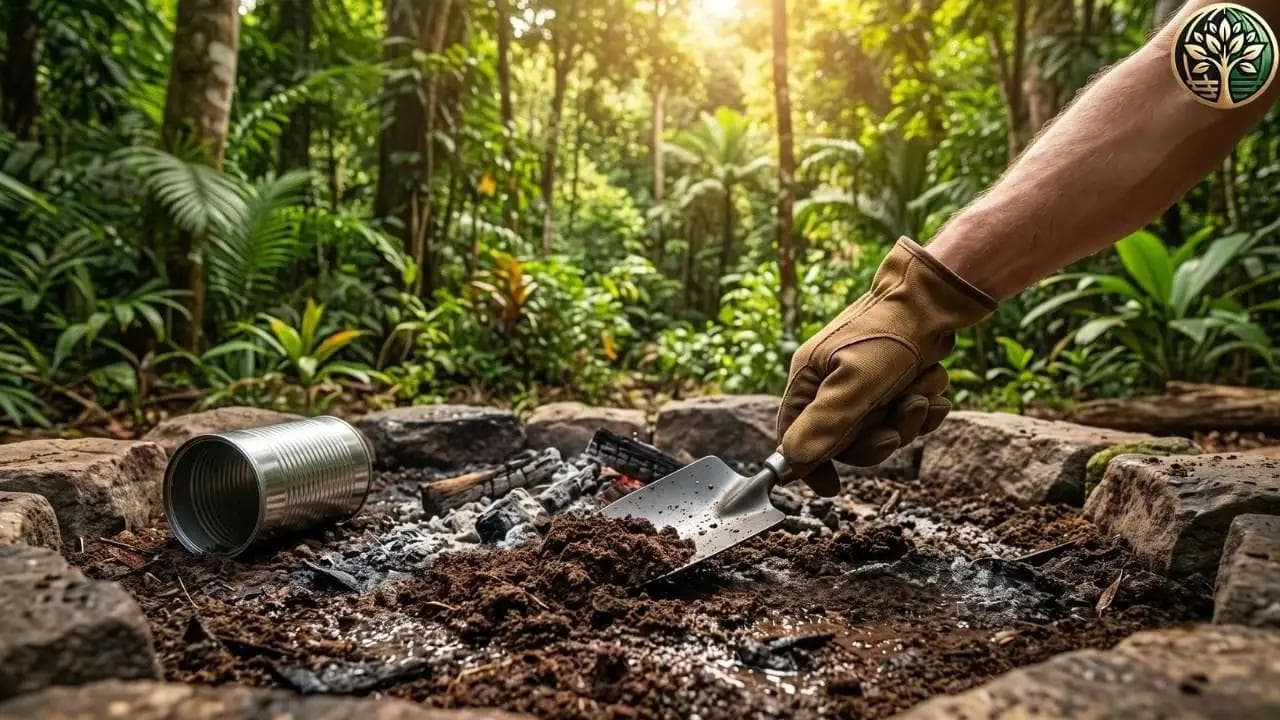
7 Key Details to Consider During Summer to Prevent Wildfires
Here are 7 critical details we all need to meticulously follow to protect our lungs and reduce the risk of wildfires during the summer months.

Strengthening Brand Reputation with Carbon Credits: The New Gold Standard of Sustainable Communication
Explores how carbon credit investments transform corporate reputation and how true climate leadership can be built far away from "greenwashing" risks.
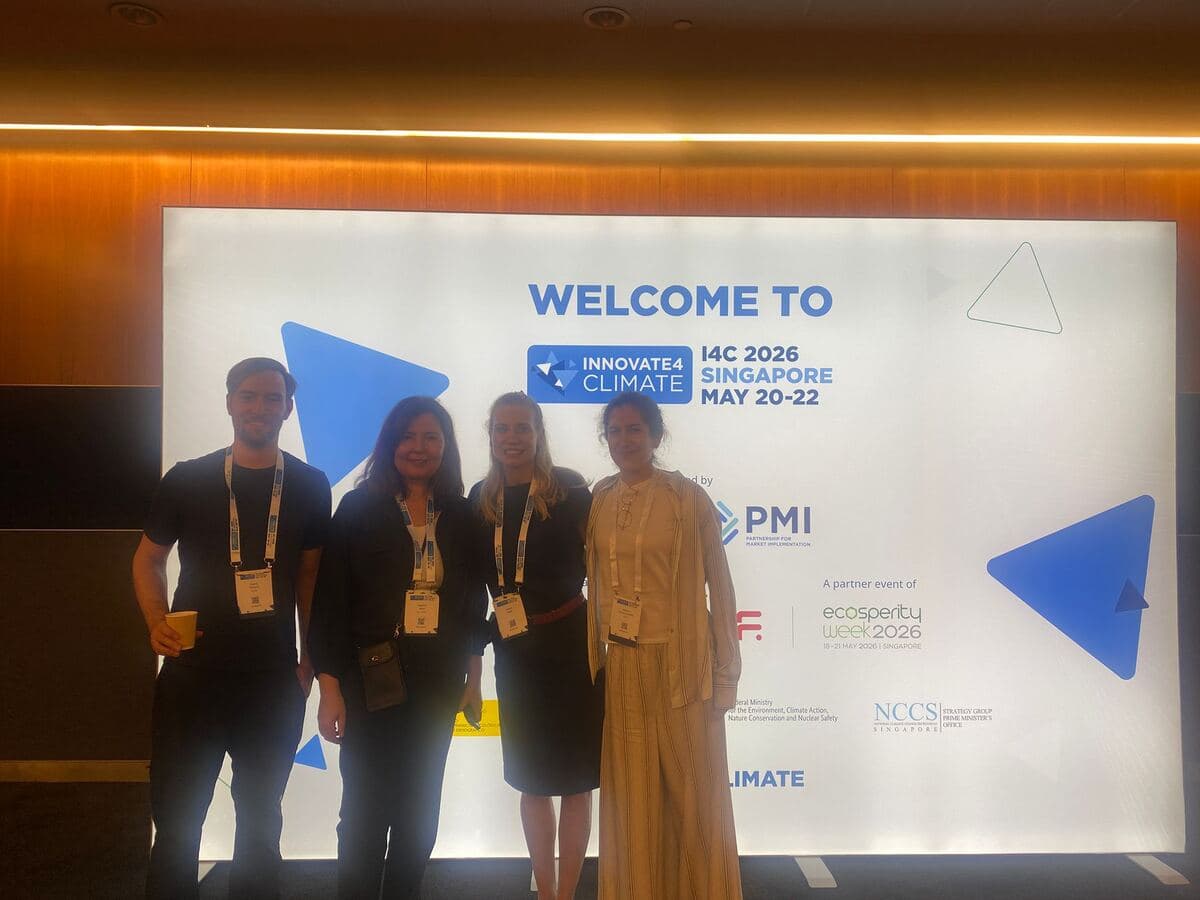
Rebuilding the Future with Nature: Green Gold Foundation at I4C 2026 Singapore
The global heart of carbon markets and climate finance beat in Singapore this year. Organized by the World Bank, Innovate4Climate I4C 2026 took place from May 20–22, bringing together the world's leading climate experts.
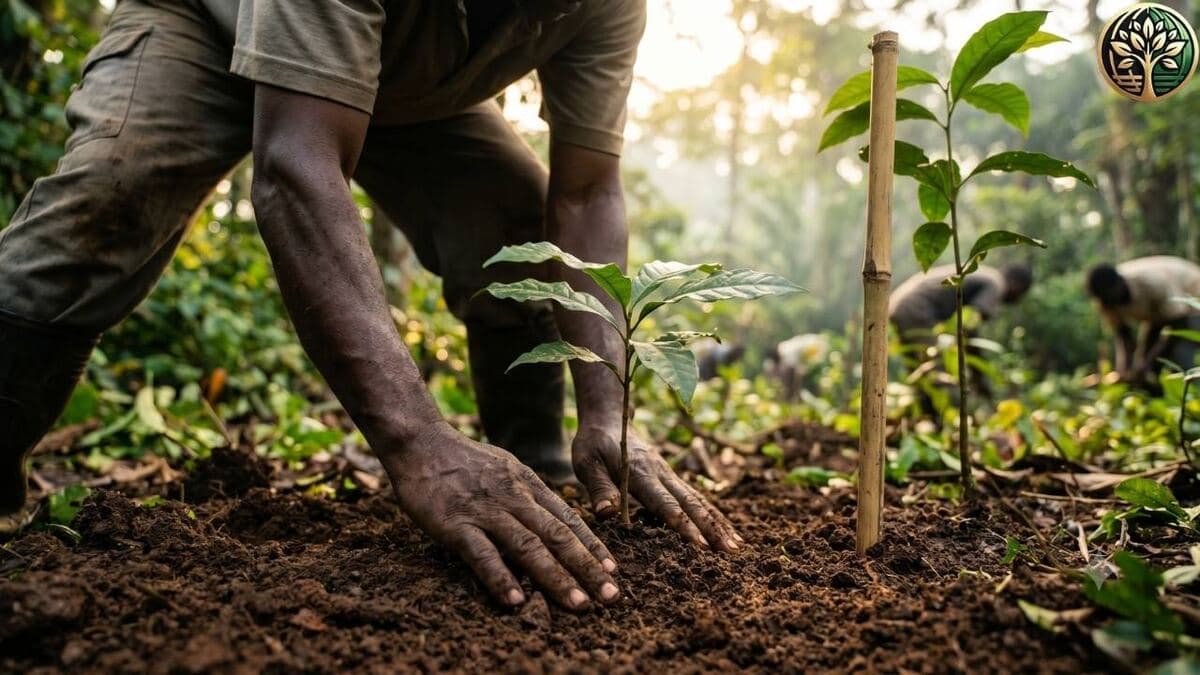
On the Path to Corporate Sustainability: Why Producing Carbon Credits is a Strategic Move
Forward-thinking companies now regard the integration of high-quality carbon credits into their production processes as a strategic priority on the path to corporate sustainability.
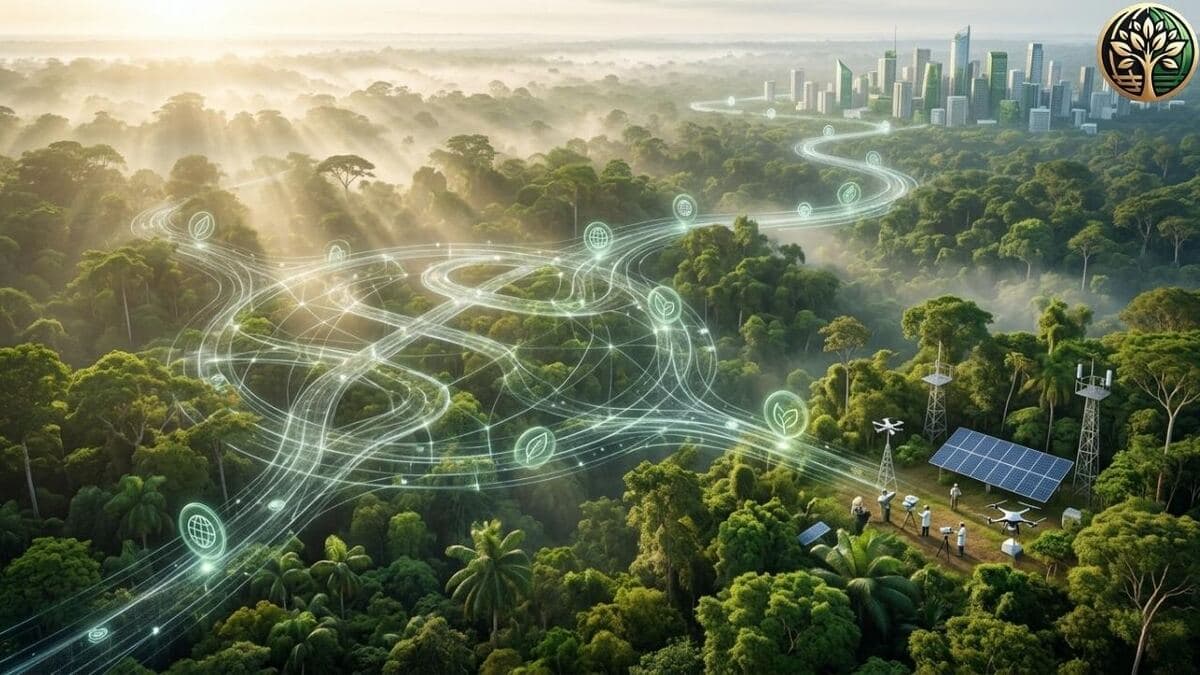
Forest Carbon Credit Financing: A New Era for the Green Economy
Forest carbon credit financing directs the capital required to halt the climate crisis and build a sustainable future toward the planet's most critical defence mechanism: our forests.

Corporate Carbon Neutrality: The Roadmap from Measurement to Offsetting
Corporate carbon neutrality is the state where the amount of greenhouse gas emitted into the atmosphere as a result of a company's activities (carbon footprint) is equal to the amount it removes from the atmosphere or prevents from being emitted.
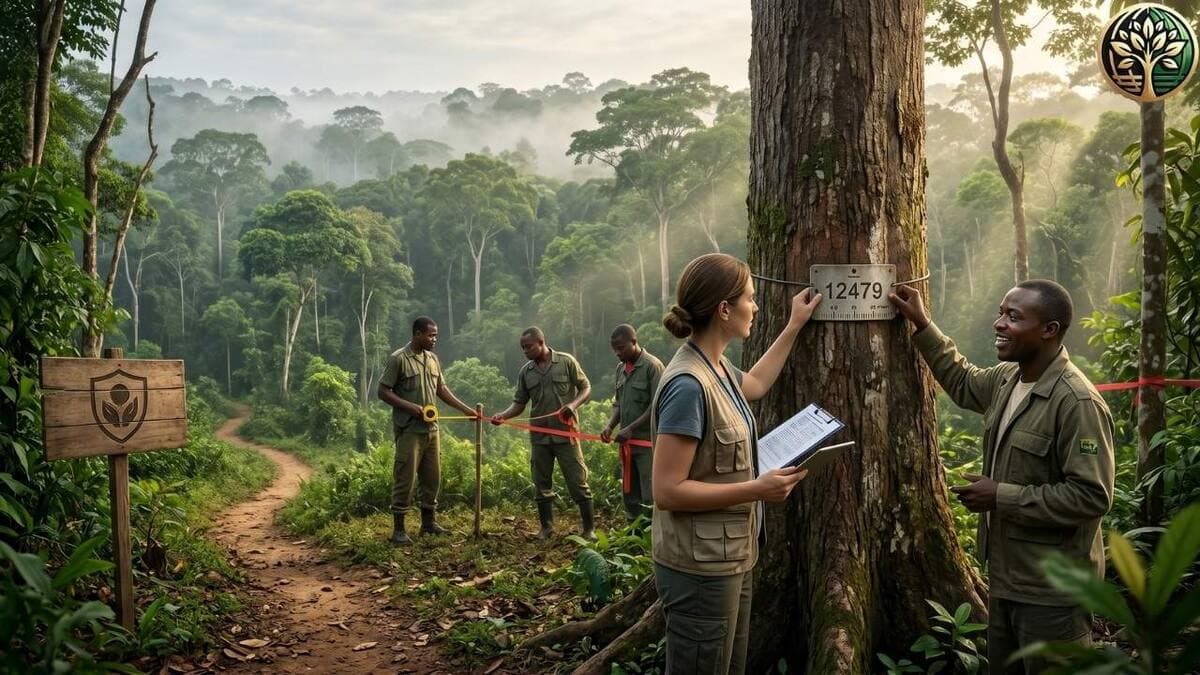
The Stages of a Forest Carbon Credit Project: Planning, Verification, and Certification
Learn all about the project stages of forest carbon credits—planning, verification and certification—with Green Gold, and start purchasing carbon credits.
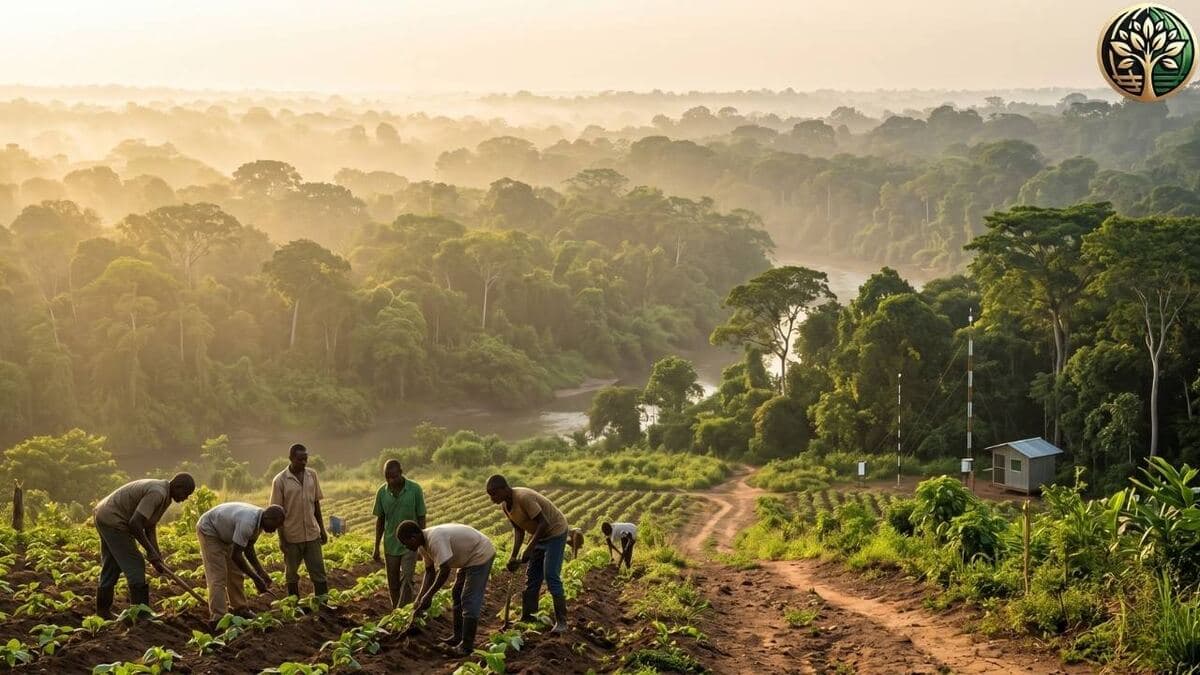
Sustainable Investment Models with Carbon Credits: The Green Finance of the Future
In this new financial order, carbon credits have evolved from being a mere "offsetting" tool into a strategic sustainable investment model.
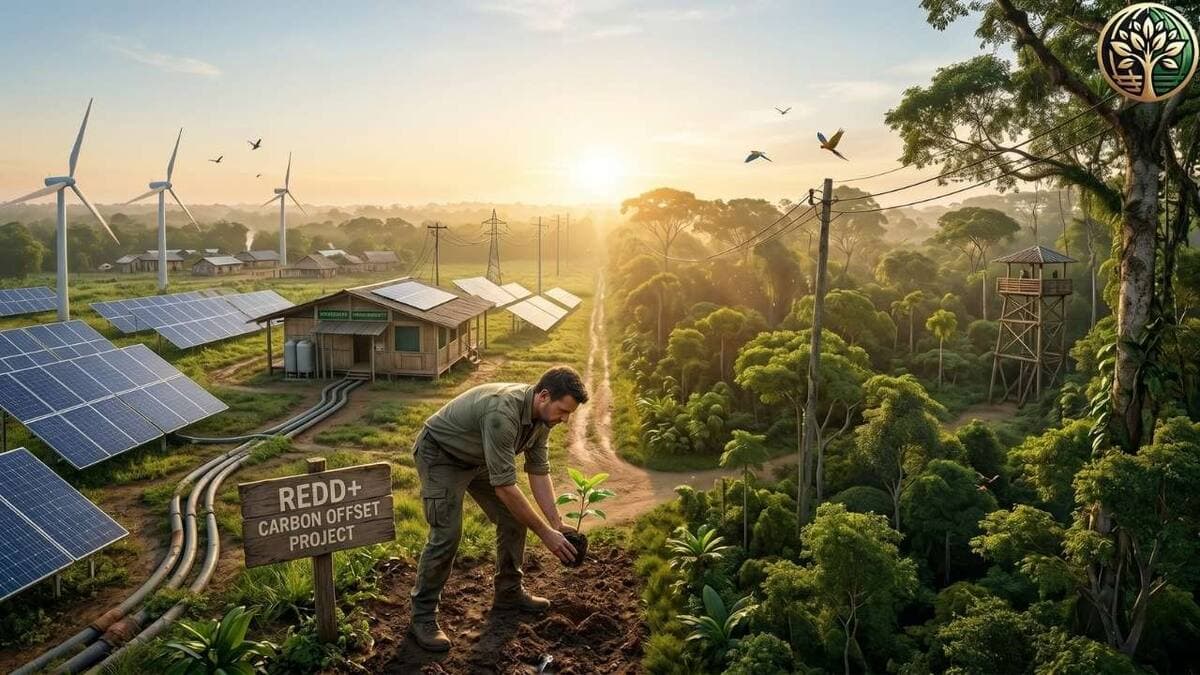
The Place of Carbon Credits in Net Zero Strategies: The Reliable Path to Achieving the Goal
One of the most important strategic tools companies encounter in this challenging process is carbon credits. So, where do carbon credits stand in the Net Zero journey?
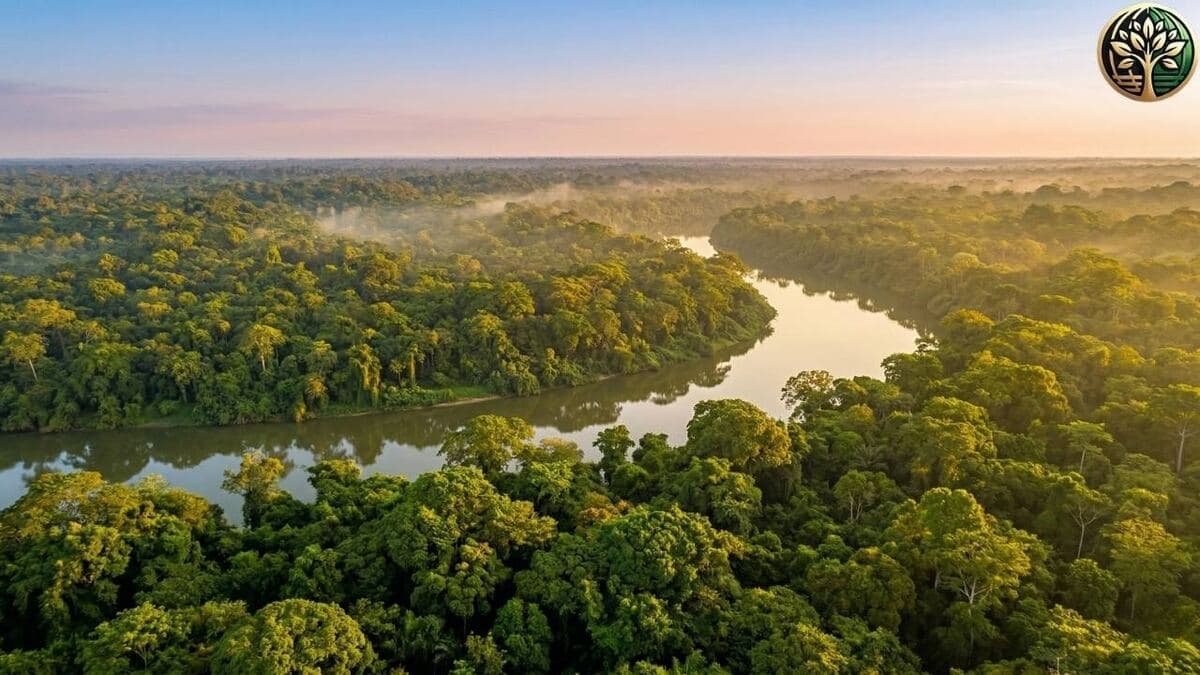
The Congo Basin: The World's Most Valuable "Green Gold" Ecosystem and a Next-Generation Investment Opportunity
The massive gap between its global ecological value and the capital currently deployed against it makes the Congo Basin one of today's most striking and transformative investment opportunities.

How Luxury Hotels Are Redefining Sustainable Wellness?
The global wellness industry is projected to reach a massive volume of approximately $9.8 trillion by 2029.
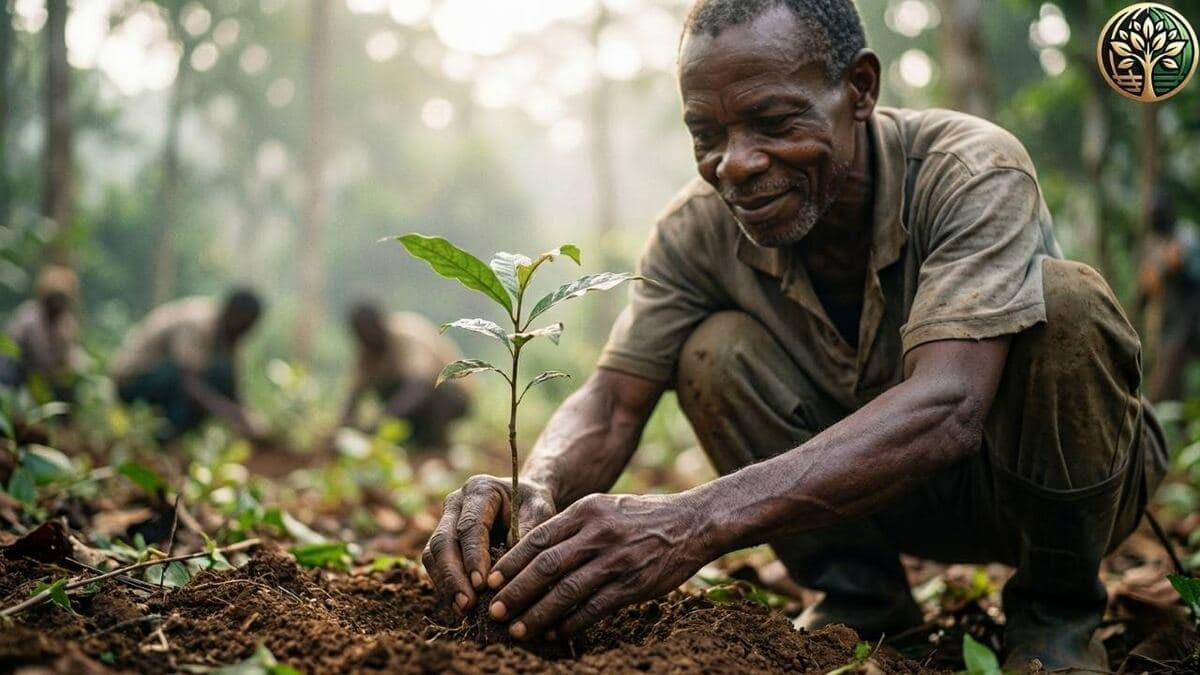
The Role of Business for a Carbon-Free Future: Offset and Beyond
In sustainability literature, this new era is defined by the "Offset and Beyond" approach. So, what does it mean to go beyond carbon offsetting, and how can visionary companies lead this transformation?
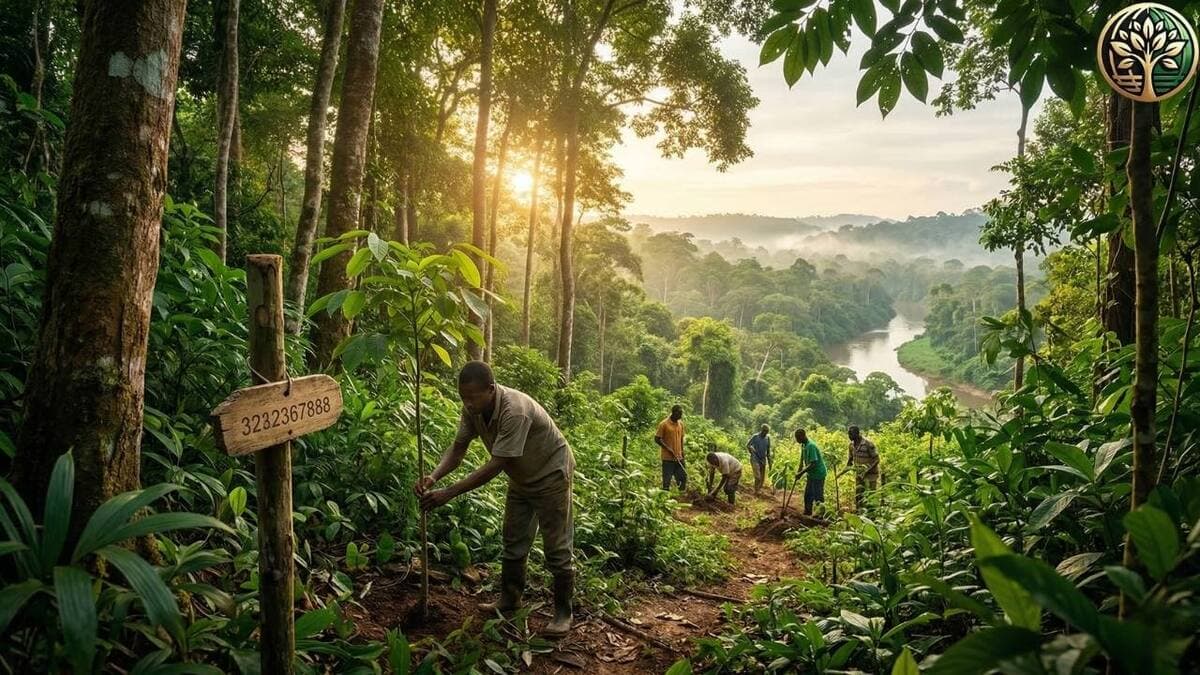
How Are Nature-Based Solutions (NbS) Strengthened by Carbon Credits?
Carbon credits serve as the most powerful economic engine for implementing and scaling Nature-based Solutions on the path to Net Zero.
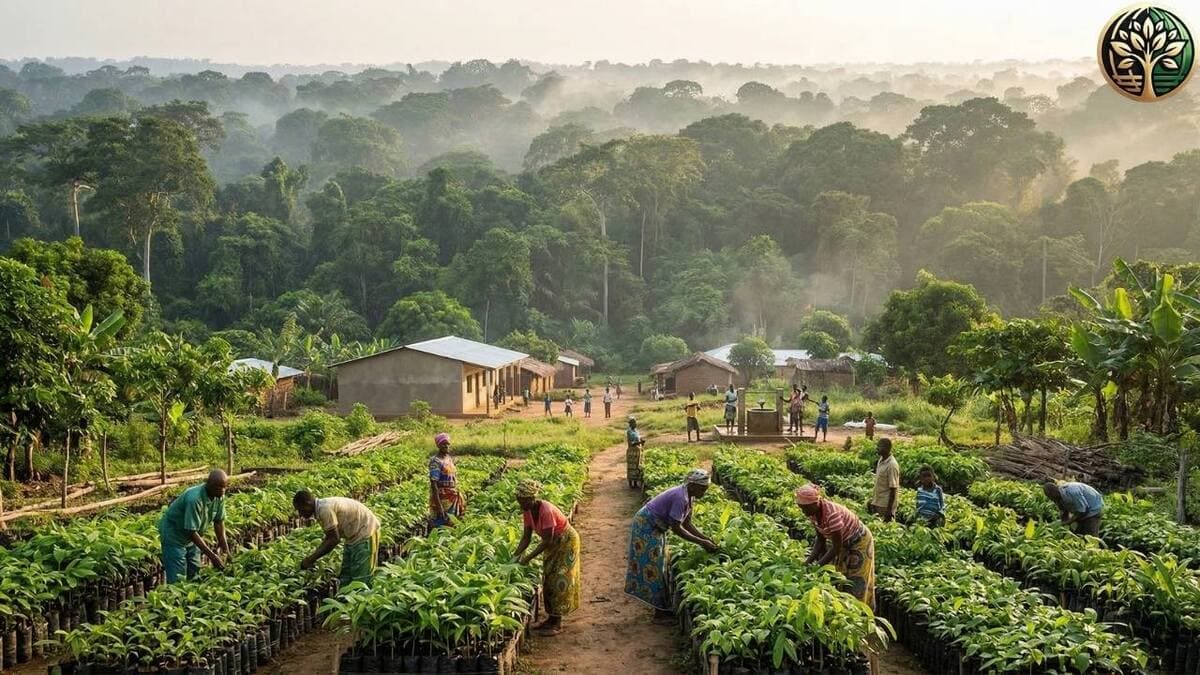
Reforestation and Forest Conservation Projects in Africa: Contributions to Local Communities and Carbon Impact
Reforestation and forest conservation (REDD+) projects in massive ecosystems like the Congo Basin not only offset carbon emissions but also change the socio-economic fate of local people.
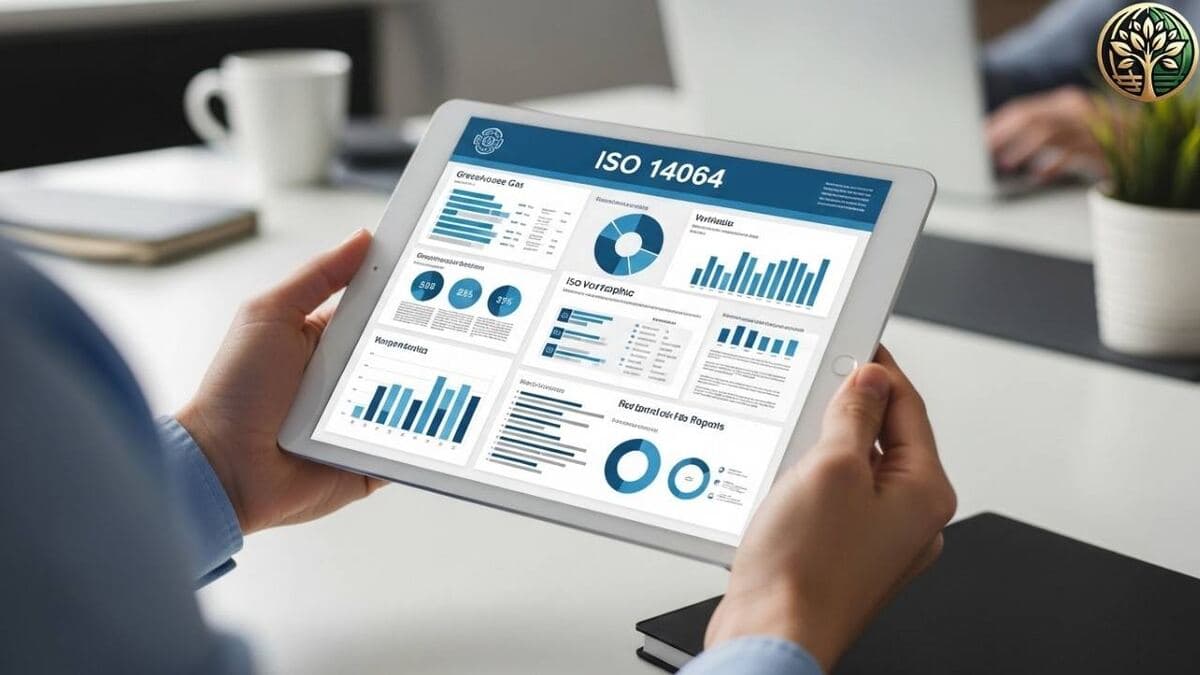
What is ISO 14064? Why is it Critically Important for Companies?
We detail what ISO 14064—the gold standard of corporate greenhouse gas management—is, the strategic advantages it provides to companies, and the verified carbon offsetting steps that must be taken after measurement.

Implementing Sustainable Forestry Practices Effectively: Forestry Sustainability Techniques
Sustainable forestry is essential for maintaining the health of our planet's forests while supporting economic and social needs.

Carbon Pricing: The Investment Vehicle of the Future?
One of the most critical concepts occupying the agenda of companies, governments and investors is carbon pricing.

The Importance of Environmental Education Insights
Environmental education is a vital tool in fostering awareness and understanding of the natural world and the challenges it faces.

The Role of Sustainability Partnerships in Eco-Friendly Initiatives: Unlocking the Power of Eco Partnerships Sustainability
Sustainability partnerships have become a cornerstone in advancing eco-friendly initiatives worldwide.

How to Obtain a Carbon Neutral Certificate? A Step-by-Step Guide for Companies
Discover the process of obtaining a carbon neutral certificate step by step, and achieve your company's net zero target with confidence.

What is the REDD+ Mechanism and Why is it Important for Companies?
What is REDD+? Why is it critical for companies' Net Zero and ESG goals?

How is Sustainability Performance Measured? A Comprehensive Guide for Companies
How is sustainability performance measured? The key question for businesses that want to avoid 'greenwashing' and become true climate leaders.
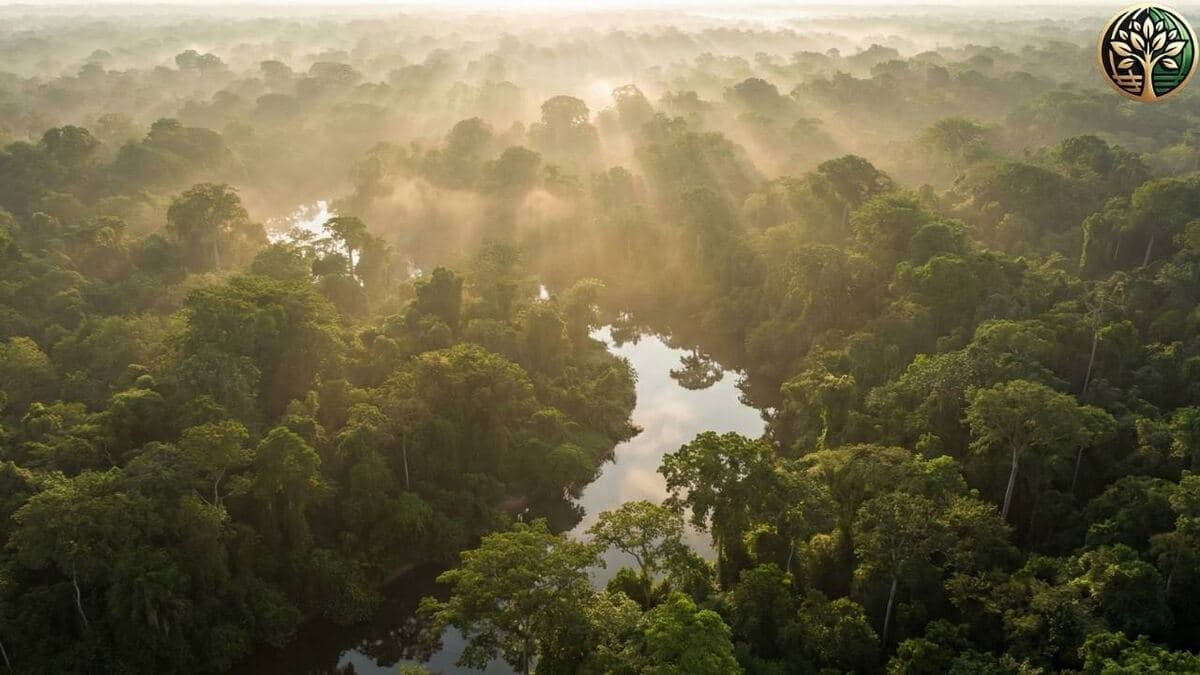
The Role of the Congo Basin in the Global Carbon Cycle
Among the most critical ecosystems that balance carbon emissions on Earth and act as the planet's 'cooling system' is the Congo Basin.
Carbon Credits and Green Reporting: CDP, GRI and SBTi Standards
Companies can transparently present their environmental impacts to stakeholders in line with the 'Net Zero' vision through green reporting (sustainability reporting).

What is a Corporate Carbon Strategy? A Success Guide for Companies
Achieving the 'Net Zero' vision comes through a measurable, science-based corporate carbon strategy — not random environmental initiatives.
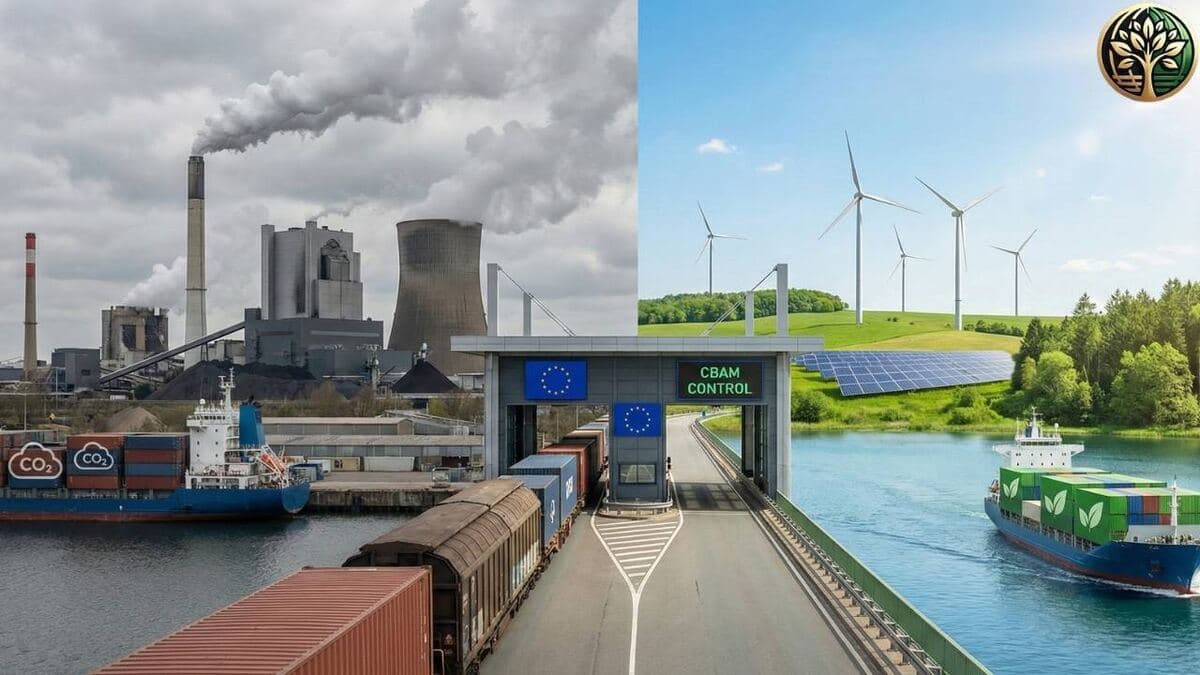
What is CBAM? Why is it of critical importance for companies?
The EU's new CBAM regulations are rewriting global trade rules — what CBAM means for companies and the strategic requirements it imposes.

What is VCU Carbon Credit and How to Obtain It? A Comprehensive Guide for Companies
Among the most reliable standards for companies offsetting their corporate carbon footprint is the VCU (Verified Carbon Unit).
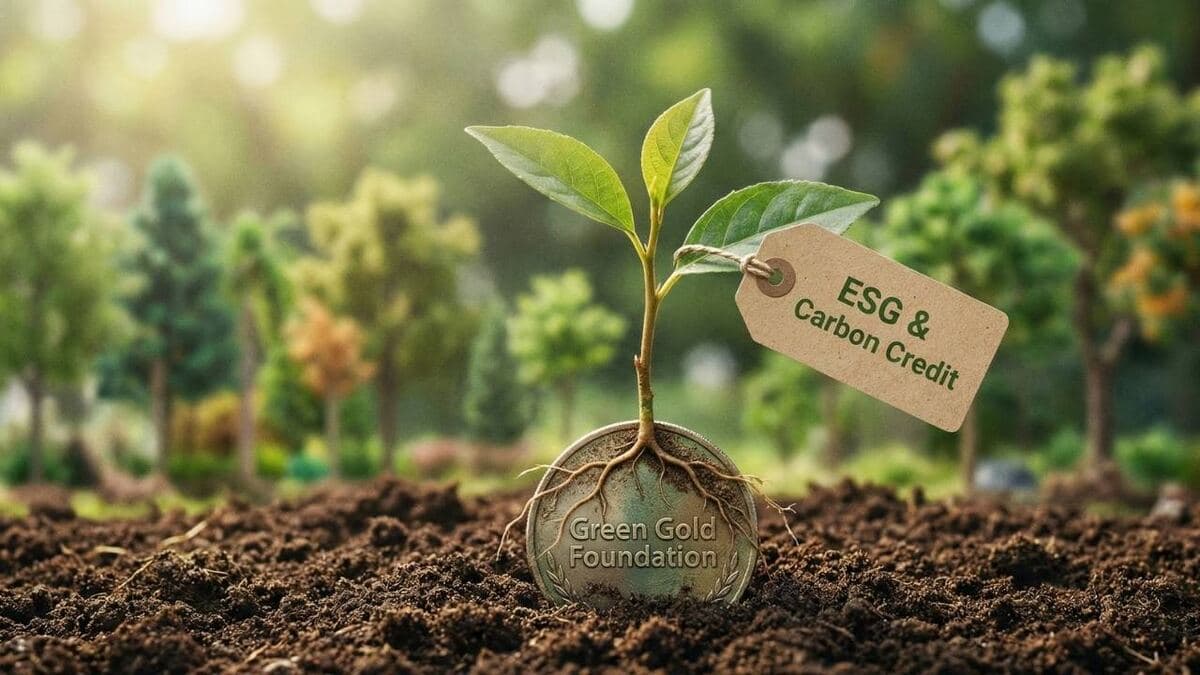
ESG and Carbon Credits: Investors New Priority
ESG criteria have become the main mechanism driving global capital flows, and carbon credits sit at the heart of this transformation.
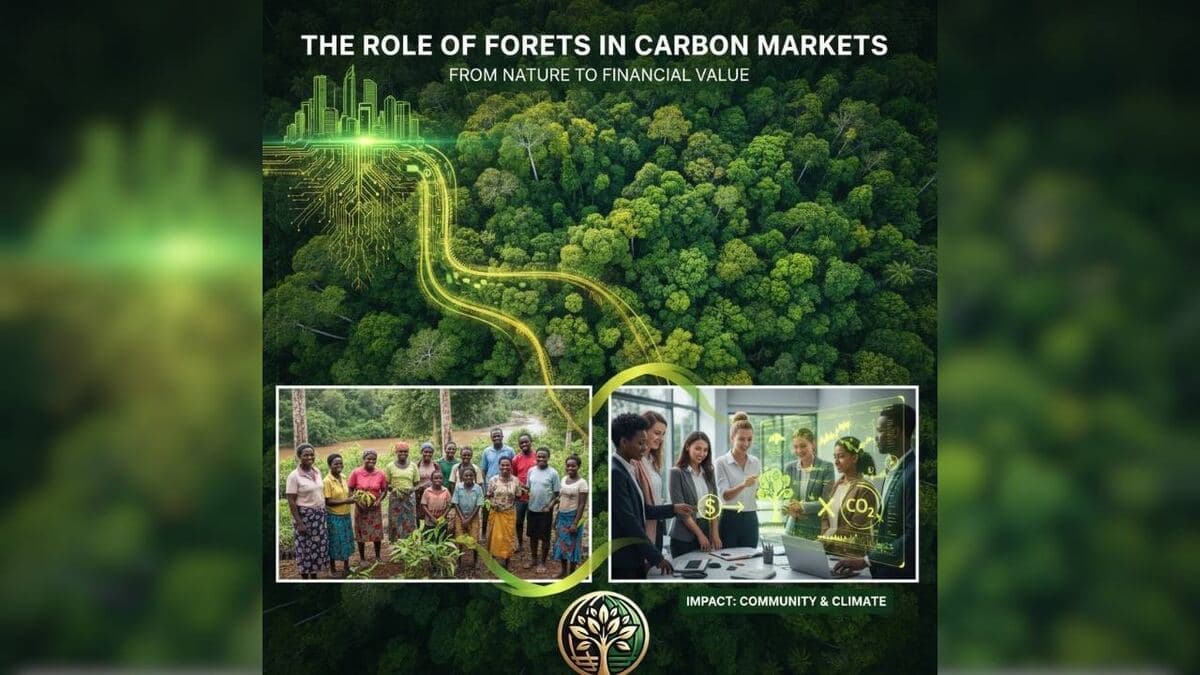
The Role of Forests in Carbon Markets: From Nature to Financial Value
How does a forest thousands of kilometres away turn into financial value, and why does the Voluntary Carbon Market matter for companies today?
What Are Forest Carbon Credits and How Do They Work?
Forest carbon credits turn forests' natural ability to capture carbon into a measurable, verifiable climate impact.

Key Drivers of Forest Conservation Efforts
Understanding the key drivers behind forest conservation — awareness, economic incentives, legal frameworks and technology — and how to strengthen them.

Advancing Sustainable Air Travel Options
The latest advances in eco-friendly air travel, practical steps for greener flying, and the challenges of adopting sustainable aviation technologies.

Carbon Footprint and Climate Change: Connections and Solutions
Exploring the strong link between carbon footprint and climate change, with practical solutions at both individual and corporate levels.

Corporate Carbon Footprint: Sustainable Solutions for Businesses
A detailed look at the corporate carbon footprint and the sustainable solutions businesses can implement to reduce it.

2025 Climate Summit Has Begun
World leaders have gathered for the 2025 Climate Summit to update their Nationally Determined Contributions and accelerate climate action.

Individual Carbon Footprint: Awareness and Responsibility
Every personal lifestyle choice has a measurable impact on global warming — what an individual carbon footprint is and how to reduce it.
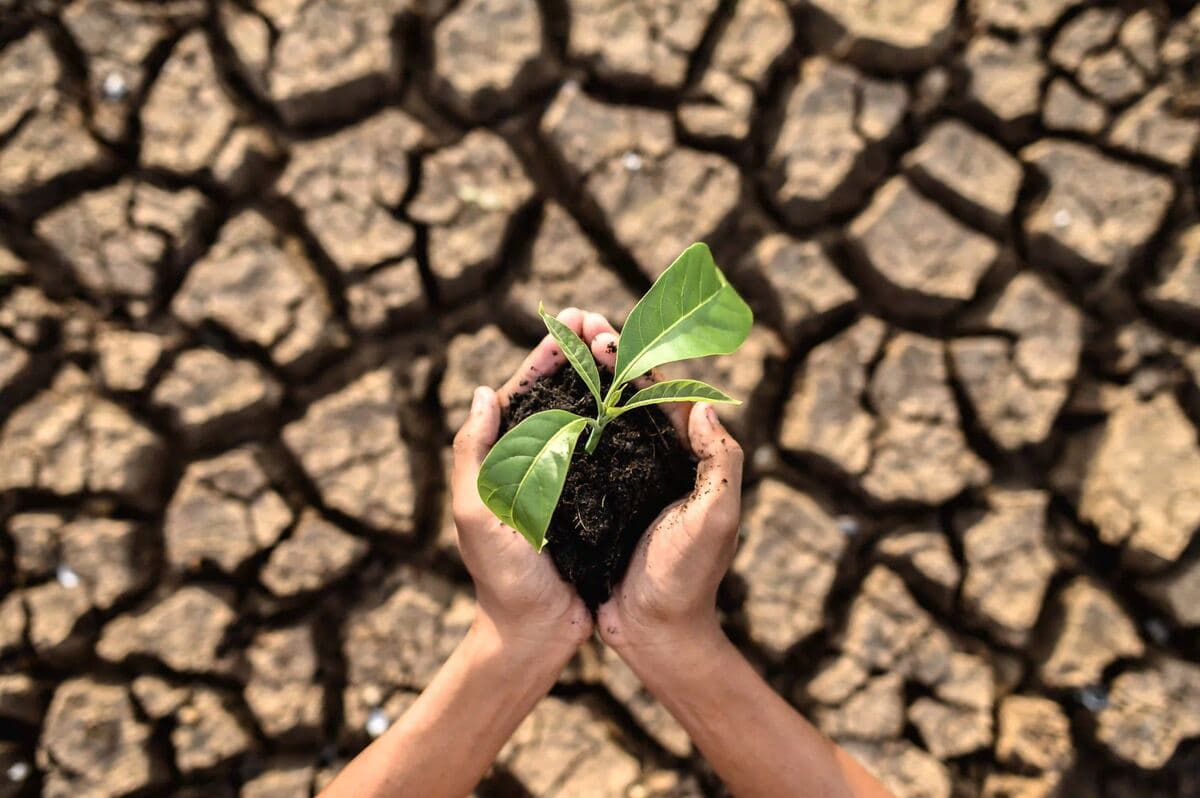
Climate Change: Is the Future of Our Planet in Danger?
The science behind climate change, its current effects, and what kind of future awaits our planet — and why it's not too late.
10 Ways to Reduce Your Carbon Footprint at Home: Take Steps Toward a Sustainable Life
Ten practical, effective ways to make your home more eco-friendly while benefiting both the planet and your budget.
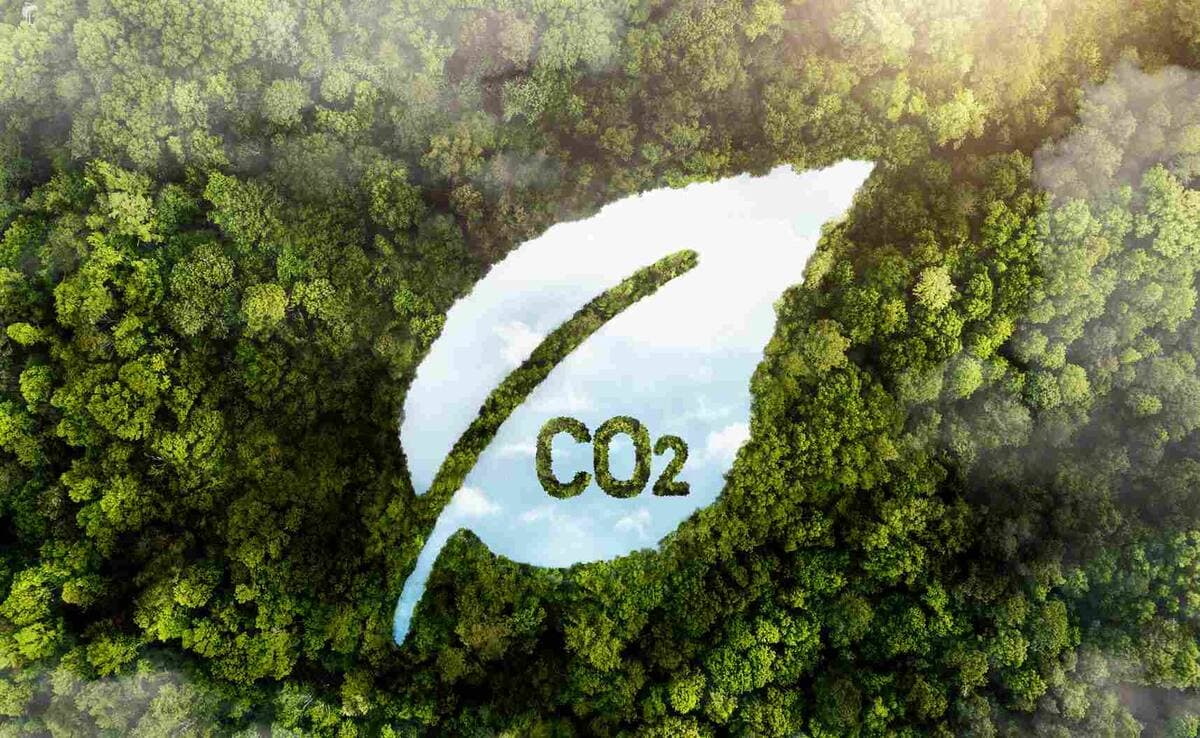
Forests as Carbon Sinks: Why the Loss of the Planet's Lifeline Is Dangerous
Forests are the planet's strongest natural defense against climate change — why losing these carbon sinks is so dangerous.

Your Hidden Carbon Footprint: How Daily Habits Impact the Climate
Our daily habits — from email and streaming to fashion, food and water — carry an invisible carbon footprint. Here's how to shrink it.

Effective Strategies for Sustainable Forest Management
Effective strategies for sustainable forest management, balancing ecological, economic and social needs to keep forests thriving.
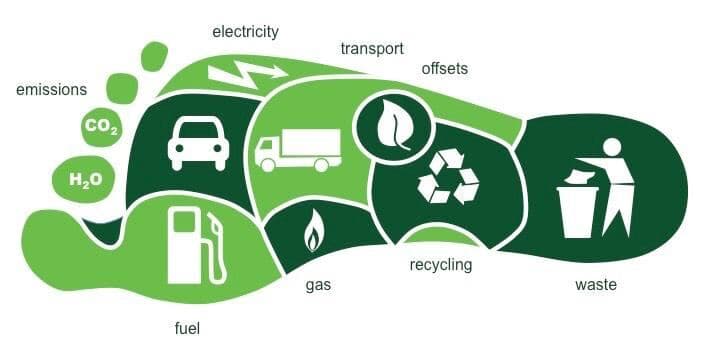
What is a Carbon Footprint?
A carbon footprint measures the greenhouse gases our activities release — examples from daily life, and individual vs. corporate footprints.
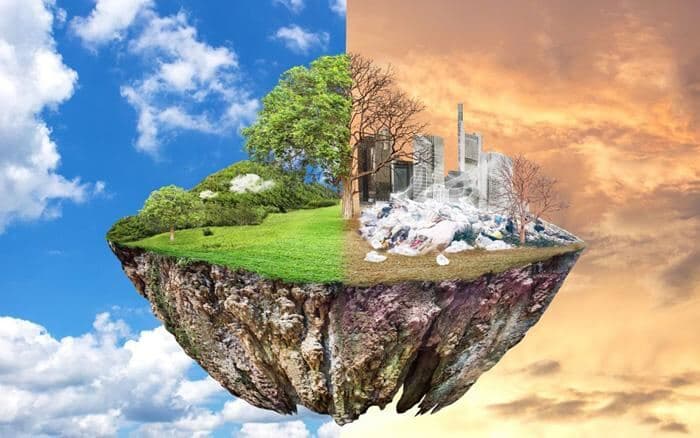
What is Climate Change?
What climate change is, its natural and human-induced causes, its consequences, and what we can do about it.
Carbon Donation, Carbon Footprint Calculation and Offset Donation to Prevent Desertification of Forests: Is It Possible to Protect Forests with Donations?
Can donations really protect forests? How carbon donation, footprint calculation and offset donations help stop desertification.