When we think of plastic pollution, our minds typically conjure up images of plastic bottles washing up on pristine beaches, massive garbage patches floating in ocean currents, or sea turtles trapped in discarded nets. Unquestionably, marine ecosystems are deeply scarred by this crisis; however, there is another silent, overlooked, and equally dangerous front line of plastic pollution: our forests.
Forest ecosystems—the very lungs of our planet—are invaded by millions of tonnes of plastic waste every year. The "Plastic-Free July" movement, a global campaign encouraging millions of people to reduce their single-use plastic consumption, is therefore a vital turning point not just for the oceans, but also for safeguarding forests, the beating heart of terrestrial life.
At the Green Gold Foundation, in line with our holistic ecosystem conservation vision, we take a closer look at the destructive impacts of plastic pollution on forests and examine the strategic importance of Plastic-Free July in the global climate fight.
4 Major Impacts of Plastic Pollution on Forest Ecosystems
Plastics can take hundreds of years to break down completely in nature. Throughout this agonizing process, every single piece of waste discarded on the forest floor irreversibly disrupts the intricate mechanics of the ecosystem.
1. Microplastics and the Fragmentation of Soil Health
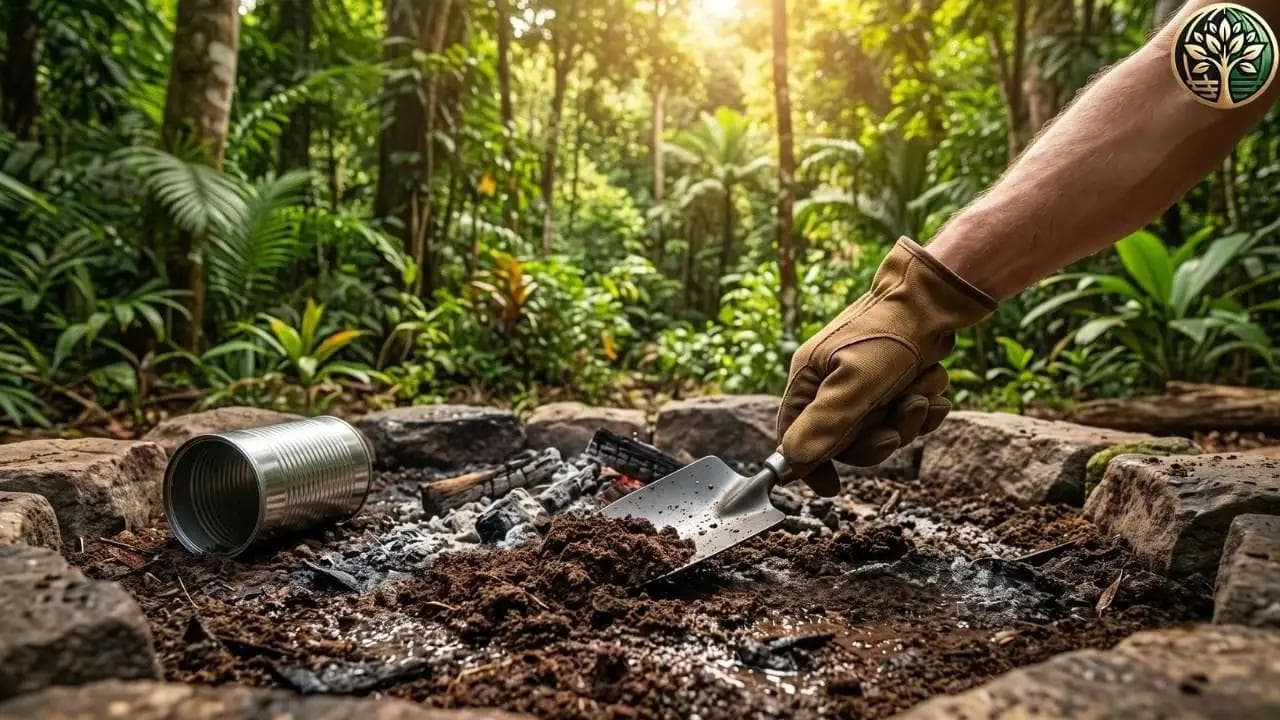
Through exposure to sunlight, wind, and fluctuating temperatures, larger plastic waste gradually fragments into particles smaller than 5 mm, known as microplastics. When these microparticles infiltrate forest soil, they:
- Reduce the soil's water-retention capacity and aeration permeability.
- Sabotage the mycorrhizal networks—the underground fungal networks that live symbiotically with tree roots, enabling them to absorb vital water and nutrients.
- Disrupt the soil's biological composition, lowering the growth rate and resilience of trees against diseases.
2. Extreme Pressure on Wildlife and Biodiversity
Forests host more than 80% of all terrestrial biodiversity on Earth. Plastic bags, packaging, and nylon ropes act as lethal traps for wild animals. Creatures can become entangled, losing their mobility, or ingest these plastics by mistaking them for food. Because plastic cannot be digested, it blocks animal digestive tracts, leading to slow and painful starvation.
3. Contamination of Natural Water Resources
Forests serve as the largest natural filtration systems within the global freshwater cycle. Toxic chemicals embedded in plastics (such as BPA, phthalates, and heavy metals) dissolve with rainwater and leach directly into underground aquifers and forest streams. This process poisons aquatic life and, through a chain reaction up the food web, ultimately threatens human health.
4. Triggering Fire Risks and Catastrophic Air Pollution
During the dry summer months, clear plastic waste and water-filled bottles left in forested areas act like magnifying glasses when exposed to sunlight at specific angles. By focusing solar rays onto a single spot, they can easily ignite dry leaves and twigs. Furthermore, when a wildfire breaks out, burning plastic releases exceptionally toxic dioxins and furans into the atmosphere, escalating air pollution to hazardous extremes.
Why Plastic-Free July is Critical
What began as a localized initiative in 2011 has blossomed into a global movement reaching billions of people. Plastic-Free July offers an excellent opportunity to re-evaluate our daily corporate and individual consumption habits. Refusing single-use plastics (such as straws, carrier bags, PET bottles, and excessive packaging) for just one month reduces manufacturing demand. This directly lowers the carbon emissions of factories and prevents forest margins from being utilized as ad-hoc landfills.
The Climate Fact: Plastic is a direct byproduct of fossil fuels. Therefore, cutting down on plastic consumption is synonymous with reducing oil dependency and halting greenhouse gas emissions—the root cause of the climate crisis—right at the source.
Green Gold Foundation and Holistic Ecosystem Preservation
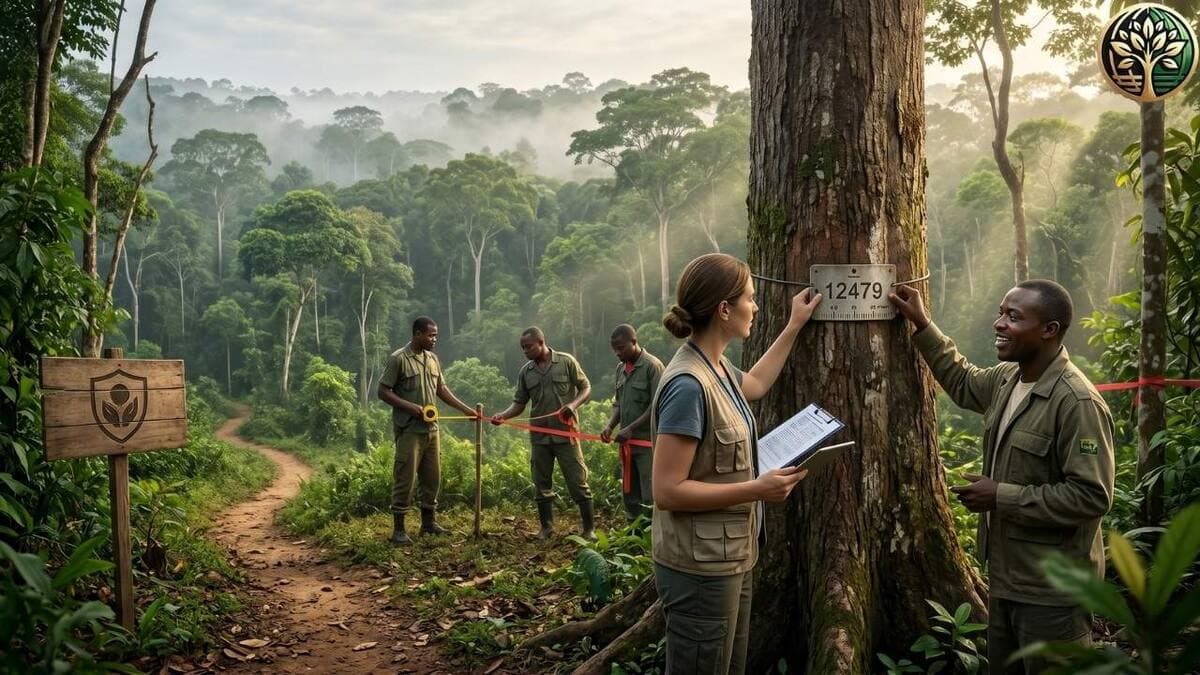
At the Green Gold Foundation, we champion the principle that climate action and nature conservation are entirely inseparable parts of a single, unified process. Within our massive 1-million-hectare REDD+ (Forest Conservation) project in the Nord-Ubangi region of the Democratic Republic of the Congo, we do not simply halt illegal logging; we actively support local communities in developing sustainable waste management and eco-friendly living practices.
Driving Plastic-Free Transformation with "Green Gold Stay"
Developed as part of our corporate partnerships, the Green Gold Stay programme enables businesses in the hospitality and tourism sectors to offset their carbon footprints whilst incentivizing them to phase out single-use plastics. When a hotel eliminates plastic straws, miniature shampoo bottles, and disposable amenities from its operations, it achieves a dual victory:
- It mitigates the plastic burden heading into local landfills (and adjacent woodland areas).
- It offsets its residual operational emissions through our conservation project in the Congo Basin via the Green Gold Foundation, granting the brand a top-tier ESG (Environmental, Social, and Governance) and reputational advantage.
Summary of Plastic Pollution and Plastic-Free July
- Impact on Forests: Plastic pollution threatens woodlands by breaking down into soil-altering microplastics, killing wildlife through ingestion/entanglement, leaching toxic chemicals into aquifers, and presenting magnifying glass fire risks.
- Role of Plastic-Free July: A global campaign encouraging individuals and corporations to reject single-use plastics, thereby lowering manufacturing demand, reducing fossil fuel consumption, and easing pressure on natural landscapes.
- Green Gold Foundation Approach: While safeguarding biodiversity across 1 million hectares in Nord-Ubangi, the Foundation empowers local communities with sustainable development frameworks to prevent human-induced environmental degradation.
- Corporate Solution (Stay): Hotels and hospitality providers can harness the Green Gold Stay programme to systematically cut plastic usage and transparently offset residual emissions with high-quality, MRV-compliant carbon credits.
Frequently Asked Questions (FAQ)
1. How exactly does plastic infiltration into forest soil hinder tree growth? When plastics break down into microplastics, they physically clog the microscopic pores of the soil, making it difficult for the earth to breathe and retain moisture. Most critically, they damage the beneficial mycorrhizal fungal networks that attach to tree roots. Without these healthy fungal symbionts, trees struggle to absorb essential minerals and water from the ground, stunting their growth.
2. How can our corporation actively support the Plastic-Free July movement? You can kickstart the transition by banning single-use plastic cups, water bottles, and disposable cutlery across your corporate offices. You can also audit your logistics chain to minimize excess packaging. To take your environmental stewardship a step further, you can integrate your logistics, aviation, and hospitality operations into the Green Gold Foundation's Wings, Wheels, and Stay programmes to manage your ecological footprint holistically.
3. Are recyclable plastics completely safe for forest ecosystems? No. The fact that a plastic item is technically "recyclable" does not mean it is harmless if left in nature. Unless a piece of plastic successfully enters a controlled recycling stream, it will remain in the ecosystem for centuries, breaking down into hazardous microplastics. The primary objective should always be to "refuse" plastic entirely at the point of consumption rather than relying solely on recycling.
4. What is the link between plastic waste and forest fires? Discarded clear plastic bottles or smooth transparent packaging can act as convex lenses. When sunlight hits them, especially when they contain residual water droplets, they focus light rays onto highly flammable dry brush or pine needles. This can trigger a wildfire in seconds. Furthermore, the combustion of plastics during a forest fire releases highly toxic gases that pose an immediate, lethal threat to firefighting crews and wildlife.
By saying "no" to single-use plastics this July, you can take a powerful stand to protect both our oceans and the magnificent forests that give our world life. To balance your personal or corporate carbon footprint on a global scale and become an active shield for our planet, explore the Green Gold Foundation's conservation projects.