Whilst the summer months offer a delightful period filled with vibrant nature and outdoor activities, rising temperatures and dropping humidity levels bring a significant global threat: wildfires. Extreme heatwaves triggered by the climate crisis are turning our forests into virtual tinderboxes. At the Green Gold Foundation, working to protect the tropical rainforests of the Congo Basin—one of the world's largest carbon sinks—we know that safeguarding forests is not a local responsibility, but a global and collective one.
Preserving our green heritage, from the Mediterranean basin to tropical zones, begins with individual awareness. Statistics indicate that approximately 90% of wildfires are caused by human negligence and carelessness. Here are 7 critical details that everyone must follow with vital precision to protect the lungs of our planet during summer:
7 Golden Rules to Prevent Wildfires in Summer
1. Avoid Uncontrolled Fires and Barbecues
Spending time outdoors during summer is wonderful, but lighting fires in or near forested areas poses the greatest risk of wildfire.
- Only light barbecues in officially registered recreation and picnic areas designated by local authorities.
- Avoid lighting fires even in these designated areas on exceptionally windy days.
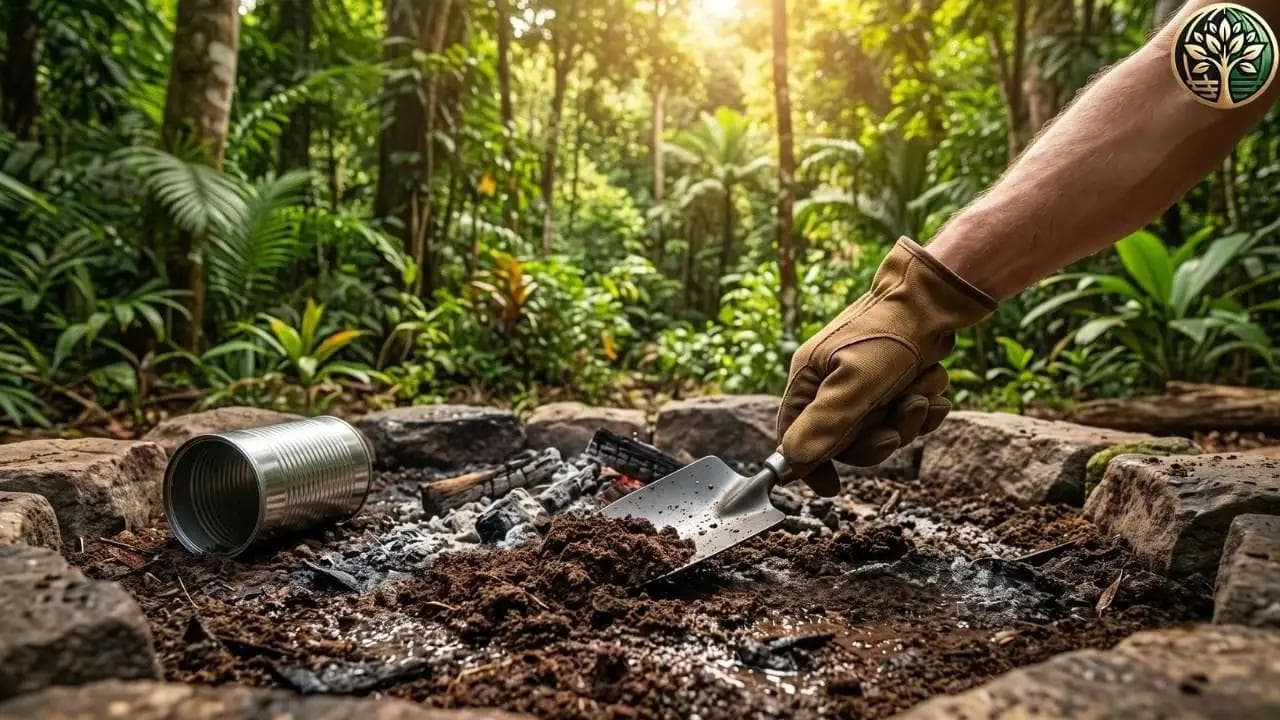
- Once finished, ensure the fire is completely extinguished using soil and water, making certain the ashes are entirely cold.
2. Do Not Leave Glass and Plastic Waste in Nature
It is easy to underestimate the devastation a simple discarded bottle can cause. Glass shards, clear plastics, and plastic bottles filled with water act as lenses, focusing sunlight onto a single spot and creating a magnifying effect. This intense heat build-up on dry grass can ignite a blaze within seconds. Always take your rubbish back home with you.
3. Never Toss Cigarette Butts or Matches Randomly
Unextinguished cigarette butts thrown from moving vehicles onto roadsides or dropped among dry grass on walking trails are among the most common invitations to disaster. Never throw a butt into a bin without ensuring it is completely extinguished, and absolutely never discard them into nature.
4. Put an End to Stubble Burning and Agricultural Waste Clearing
Particularly in agricultural lands adjacent to forest borders, fires lit for stubble burning after harvest or for clearing garden waste can easily spiral out of control with sudden winds and jump to the forest. Stubble burning has no place in modern, sustainable agriculture; it destroys soil fertility and obliterates our forests.
Remember: We must act with the profound awareness that wildfires do not merely burn trees; they destroy the homes of millions of living creatures, devastate ecosystems, and wipe out the very air we breathe.
5. Stay Alert Against the "30-30-30" Rule
Learn the danger formula recognised by meteorologists and forestry engineers as a critical threshold: Days when the temperature is above 30°C, relative humidity is below 30%, and wind speed exceeds 30 km/h represent the highest risk periods for wildfires. Extra caution must be exercised in forested areas during such weather conditions, and even the slightest risk of a spark must be avoided.
6. Take Precautions in Homes at the Forest-Land Interface
If you live in an area near or adjacent to a forest, clear away dry grass, weeds, and lower tree branches around your property. Creating a safety strip or "defensible space" of at least 10 metres between your home and the forest prevents a potential wildfire from spreading to your house, or a domestic accident from spreading to the forest.
7. Early Reporting Saves Lives: Report Every Suspicious Smoke
In wildfires, the initial response is measured in minutes. If you spot any suspicious smoke or sparks in forested areas, by roadsides, or in rural areas, call emergency services without losing a second:
- Dial 112 (or your local emergency and forestry hotline) immediately to report the exact location transparently.
Global Forest Conservation Vision: The Green Gold Foundation
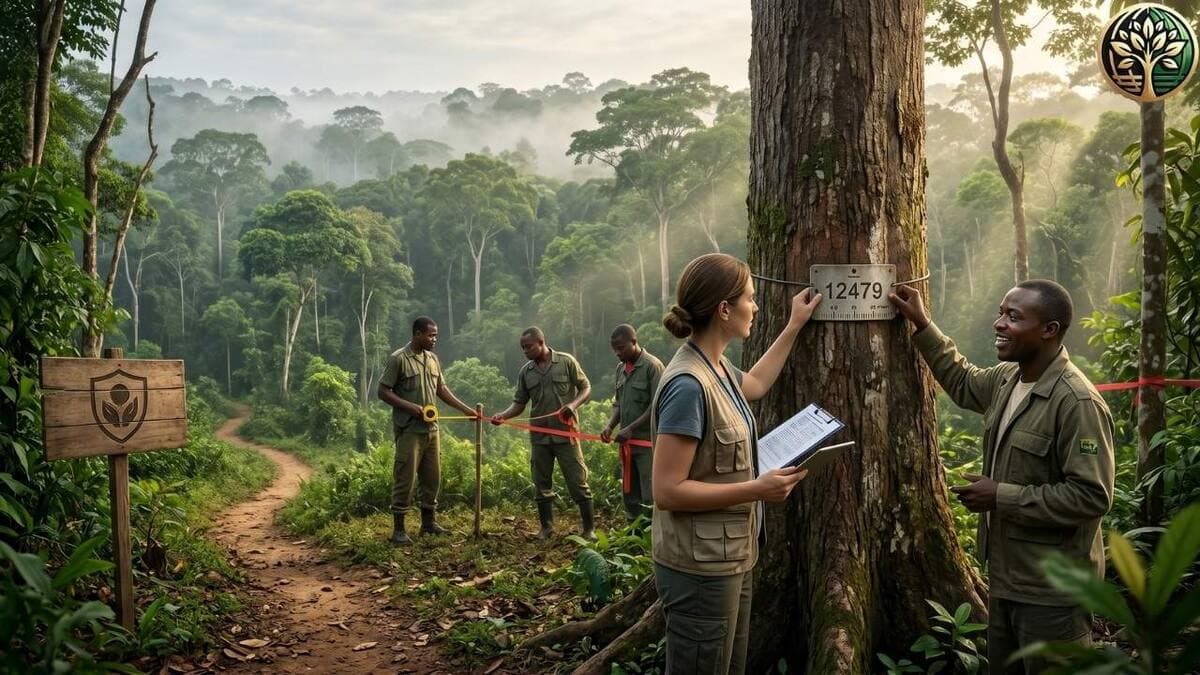
While we individually protect the forests in our local regions, large-scale ecosystems must also remain standing on a global level. As the Green Gold Foundation, we protect a massive 1 million hectares of tropical rainforest in the Nord-Ubangi region of the Democratic Republic of the Congo against illegal logging, degradation, and human-induced fire risks.
Through our REDD+ project, we reduce annual deforestation by 30% while providing sustainable agroforestry training to local communities, thereby preventing forest lands from being burned down for agricultural conversion. Companies can become a direct part of this global protective shield by offsetting their carbon footprints through our foundation's Wings, Wheels, and Stay programmes.
Summary of 7 Key Details to Consider for Wildfires in Summer
- Individual Responsibility: 90% of wildfires are caused by human negligence (cigarette butts, barbecues, stubble burning) and can be prevented through heightened awareness.
- Critical Precautions: Fires should never be lit in unregistered areas, glass/plastic waste that creates a magnifying effect must not be left in nature, and maximum measures must be taken during "30-30-30" weather conditions (high temp, low humidity, high wind).
- Rapid Response: Any sign of smoke must be reported immediately to emergency hotlines (such as 112).
- Green Gold Foundation Impact: With a global vision of forest conservation, the Foundation keeps 1 million hectares under protection in the Congo Basin's Nord-Ubangi region, reducing fire and logging risks by 30% by teaching sustainable farming to local people.
Frequently Asked Questions (FAQ)
1. Can glass bottles left in nature really start a fire?
Yes, this is an absolute scientific fact. The convex surfaces or fragments of glass bottles focus sunlight onto a single point, acting exactly like a magnifying glass. When the temperature at that focal point reaches the ignition threshold of dry grass, a fire breaks out. This is why leaving no waste in nature during summer is of vital importance.
2. How risky is it to throw a cigarette butt out of a car window while driving?
Roadsides are typically covered with dry grass that ignites easily, often aided by wind. An unextinguished cigarette butt thrown from a fast-moving vehicle ignites the grass within seconds due to the oxygen support from the wind, and the resulting wind corridor causes the flames to spread rapidly into forested areas.
3. Do wildfires also occur in tropical rainforests (like the Congo Basin)?
Because tropical rainforests have high humidity levels, they do not ignite spontaneously as easily as those in the Mediterranean basin. However, human activities like logging for the timber trade dry out the forest floors. When these dried areas are lit by local populations practising "slash-and-burn" agriculture, massive fires occur. The Green Gold Foundation works in Nord-Ubangi precisely to halt this human-induced degradation and fire cycle.
4. How can we support forest conservation activities corporately?
Your company can participate in the Wings, Wheels, and Stay programmes developed by the Green Gold Foundation specifically for the logistics, aviation, and hospitality sectors. Carbon credit donations made in line with your corporate carbon footprint fund our 1 million-hectare forest conservation project (complying with MRV standards) in the world's second-largest carbon sink, certifying your participation in the global green economy.
To protect nature is to protect the future. You can continue to bring life to our world both by taking care of the forests on your doorstep and by supporting the global conservation projects of the Green Gold Foundation.