In the fight against the climate crisis, investing in nature's own repair mechanisms is just as critical a strategy as technological innovations. In this context, the African continent, one of the world's largest "carbon sinks", lies at the centre of global ecological balance. Reforestation and forest conservation (REDD+) projects carried out in massive ecosystems like the Congo Basin not only offset carbon emissions but also change the socio-economic fate of the local people.
For modern companies acting with the "Target Net Zero" vision, directing climate finance to the right projects is the most valuable step in corporate ESG (Environmental, Social, and Governance) performance. As the Green Gold Foundation, we detail in this article the impact of forest restoration and conservation projects in Africa on the global carbon cycle and their transformative power on local communities.
The Critical Role of African Forests in the Global Carbon Cycle
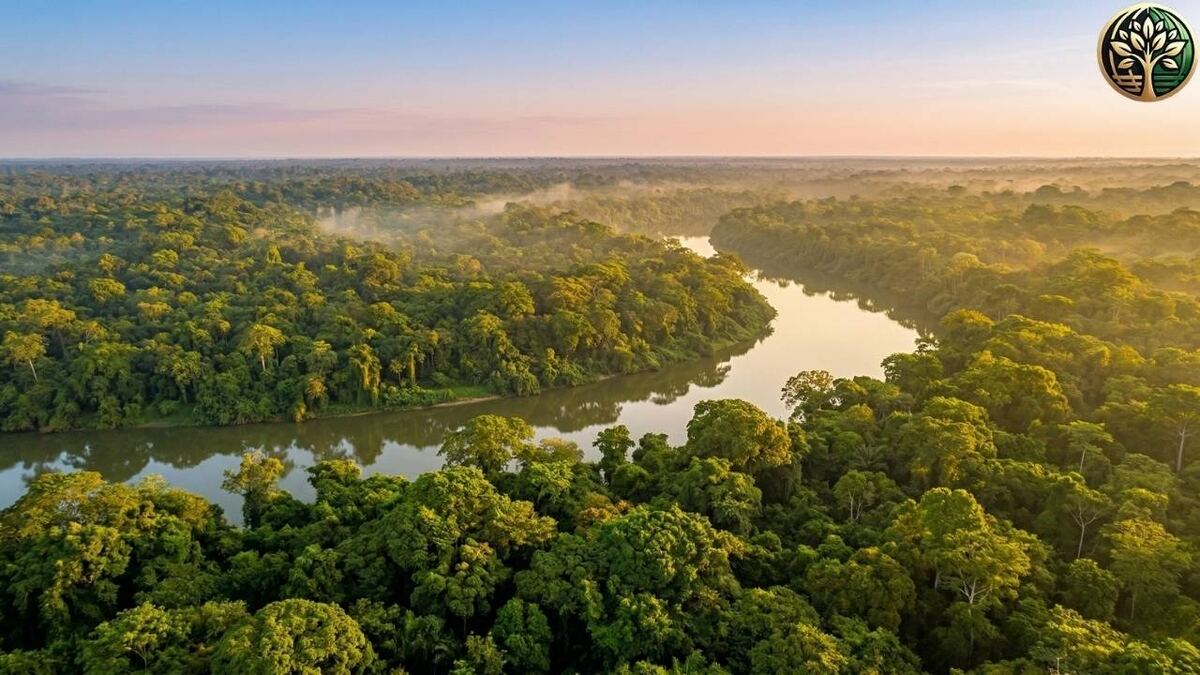
African forests, especially the Congo Basin, which is the second-largest tropical forest in the world after the Amazon, act as massive lungs that allow the planet to breathe.
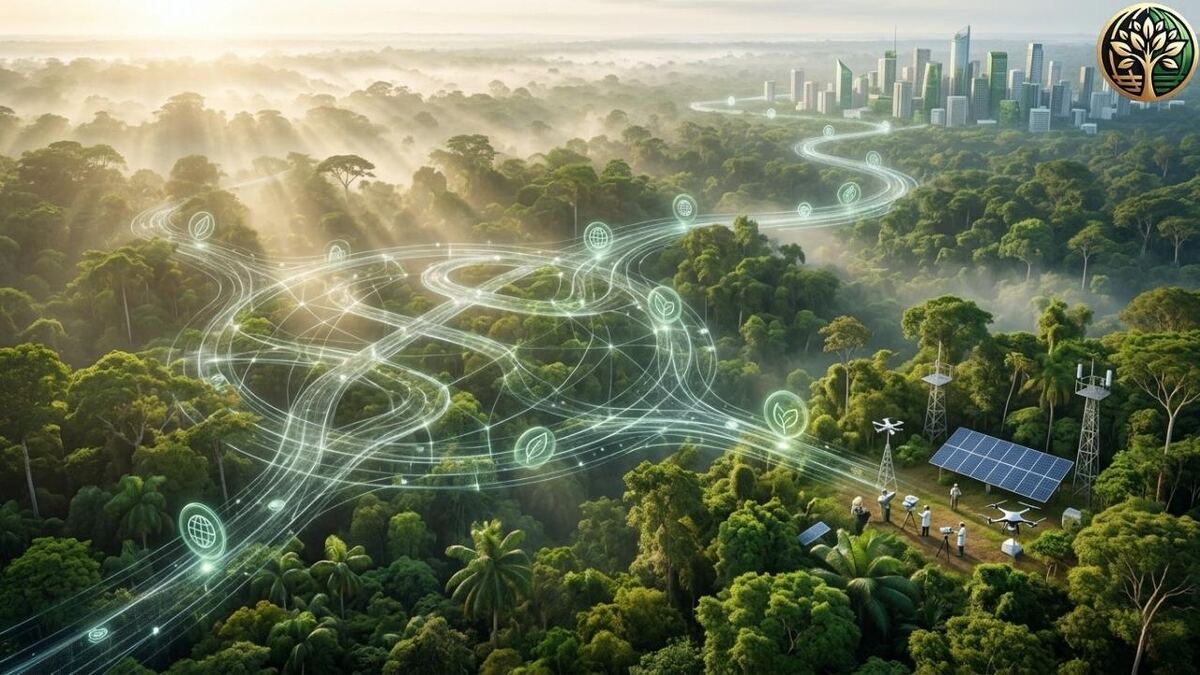
Deforestation causes the carbon stored in trees and soil for thousands of years to be released and mixed into the atmosphere. Halting this destruction and revitalising degraded areas (reforestation) provides a two-fold climate victory:
- Protecting Existing Carbon: Healthy forests keep their massive carbon stocks secure.
- Active Carbon Absorption: Growing new trees and restored ecosystems rapidly absorb active carbon dioxide (CO2) from the atmosphere, slowing down global warming.
More Than Environmental Impact: Social Contributions to Local Communities
A successful nature conservation and reforestation project is built not by excluding local people, but by placing them at the centre of the process. When local communities, the "guardians of the forests", directly benefit from projects, the permanence of the ecosystem is guaranteed. The social contributions of these projects are as follows:
1. Green Employment and Economic Independence
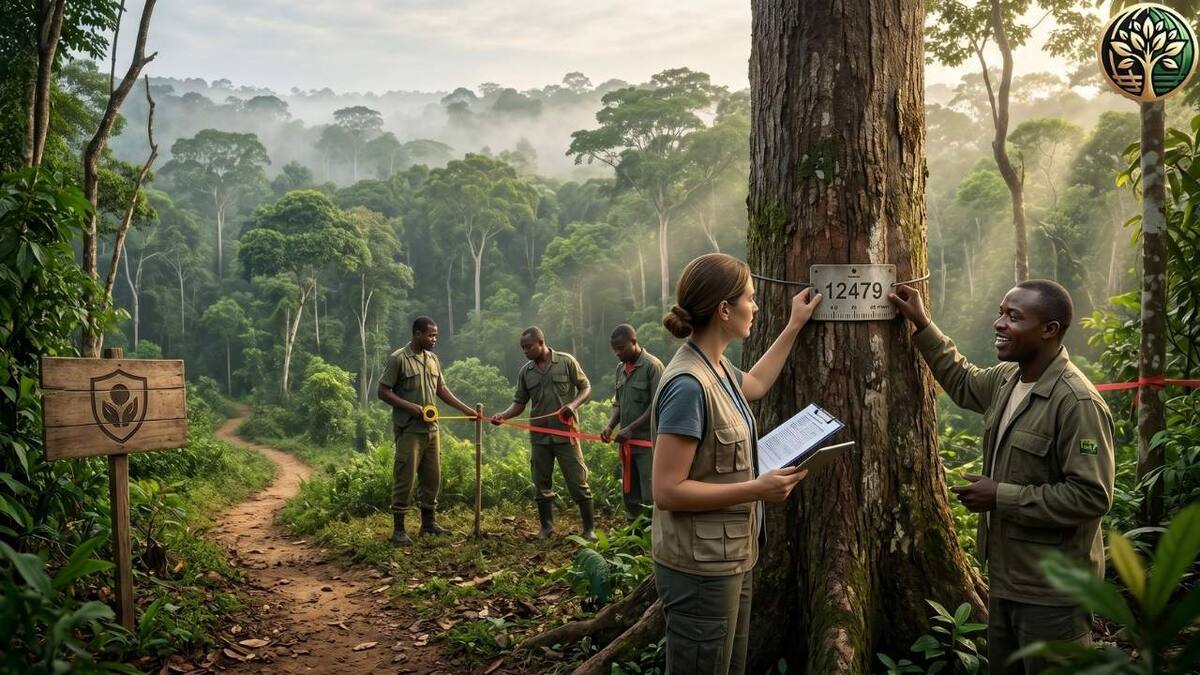
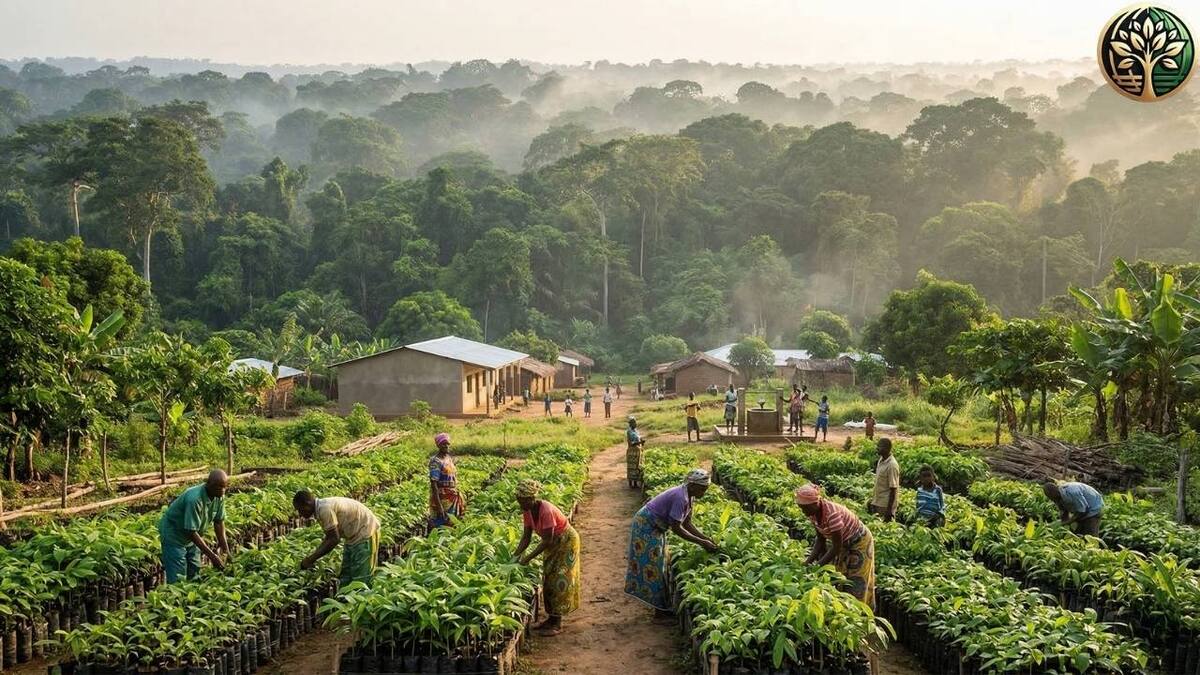
Forest restoration creates direct employment for thousands of local people in areas such as nursery management, tree planting, forest patrols, and project monitoring. The short-term and destructive income obtained from illegal logging is replaced by a sustainable and regular green economy.
2. Sustainable Agriculture and Food Security
Peoples living on the borders of forests are often forced to cut down (or burn) trees to clear agricultural land to make a living. Comprehensive projects provide local people with climate-friendly agricultural techniques and agroforestry training, enabling them to obtain higher and more diverse yields from the same land without harming the forest.
3. Education and Infrastructure Development
A significant portion of the financing obtained from carbon credits is transferred to public infrastructure investments such as building schools, opening clean water wells, and improving basic health services in project areas.
The Green Gold Foundation's Tangible and Inclusive Approach in the Congo
As the Green Gold Foundation, our vision is a world where forests thrive sustainably, diverse ecosystems are protected, and healthy communities are supported. Our foundation, which has made it its mission to create a harmonious relationship between people and nature, is bringing this vision to life in the Democratic Republic of the Congo (Congo Basin).
Our Mega Project in the Nord-Ubangi Region: By protecting 1 million hectares of forest area and restoring ecosystems in the Nord-Ubangi region of the Congo, we aim to prevent forest loss by 30% annually. We support this massive operation with the following public approaches:
- Community Empowerment: To ensure that sustainable practices are fully aligned with the needs of the local people, we directly include local communities in the project planning and implementation processes. Decisions are made jointly in the field, not at a desk.
- Education and Participation: We organise regular workshops and awareness events to educate stakeholders and local communities on forestry and sustainable practices.
- Public Awareness: We use social media and influential partnerships to make our message heard across continents.
How Can Companies Contribute to This Transformation?
The business world can achieve its "Beyond Value Chain Mitigation" (BVCM) targets by financing these vital projects in Africa whilst reducing its own carbon footprint. Your company can be included in the Green Gold Foundation's sectoral programmes such as Green Gold Wings, Wheels, and Stay and directly sponsor the protection of forests and local people in the Congo by making a Carbon Credit Donation. This contribution transparently and verifiably increases your company's ESG score in international reporting (CDP, GRI, SBTi).
Executive Summary for Reforestation and Forest Conservation Projects in Africa
- The Importance of Reforestation and Forest Conservation: Forest ecosystems in Africa (especially the Congo Basin) are among the largest carbon sinks slowing down global warming. Preventing deforestation and afforesting degraded areas ensures billions of tonnes of carbon are sequestered in nature.
- Social Contribution to Local Communities: Projects do not just plant trees; they provide green employment to local people, offer sustainable agriculture training, build clean water and education infrastructure, and create a permanent socio-economic alternative to illegal logging.
- Green Gold Foundation's Congo Project: The foundation has taken 1 million hectares of forest in the Nord-Ubangi region of the Democratic Republic of the Congo under protection. The target is to prevent forest loss by 30% annually and to develop the local people by including them in the planning processes (Community Empowerment).
- Corporate Action: Within the scope of their Net Zero strategies, companies can make a verified investment in this environmental and social transformation by making a Carbon Credit Donation to the Green Gold Foundation.
Frequently Asked Questions (FAQ)
1. What is the difference between reforestation and forest conservation (REDD+)?
Reforestation is bringing back the forest ecosystem by replanting saplings in a previously destroyed or deforested area. Forest conservation (the REDD+ mechanism), on the other hand, is protecting an existing forest that is under threat of being cut down, thus preventing the carbon within it from being released into the atmosphere in the first place. The Green Gold Foundation focuses on restoring ecosystems holistically by protecting existing forests in the Congo on a massive scale.
2. How do local people economically benefit from forest conservation projects?
A large portion of the revenue obtained from carbon credit sales or donations is transferred to the field. With these funds, local people are provided with direct salaried jobs such as forest guarding and nursery maintenance. Additionally, thanks to the agroforestry and sustainable agriculture training provided, the crop yields and therefore the income of the villagers increase.
3. How does the Green Gold Foundation measure and secure the social impact of its projects?
Our foundation's public approach focuses on transparency, inclusivity, and collaboration. Local people are involved in the process from project planning to the monitoring and evaluation (MRV) stage. The workshops organised and community empowerment steps are recorded with independent reporting.
4. What exactly will my company's carbon credit donation change in Africa?
Your donation will offset your carbon emissions (residual emissions) that you cannot zero out in your own operations; whilst simultaneously financing patrols to stop illegal logging in Nord-Ubangi, supporting sustainable agriculture training to be given to local people, and strengthening the 1 million-hectare biodiversity shield in the Congo Basin.