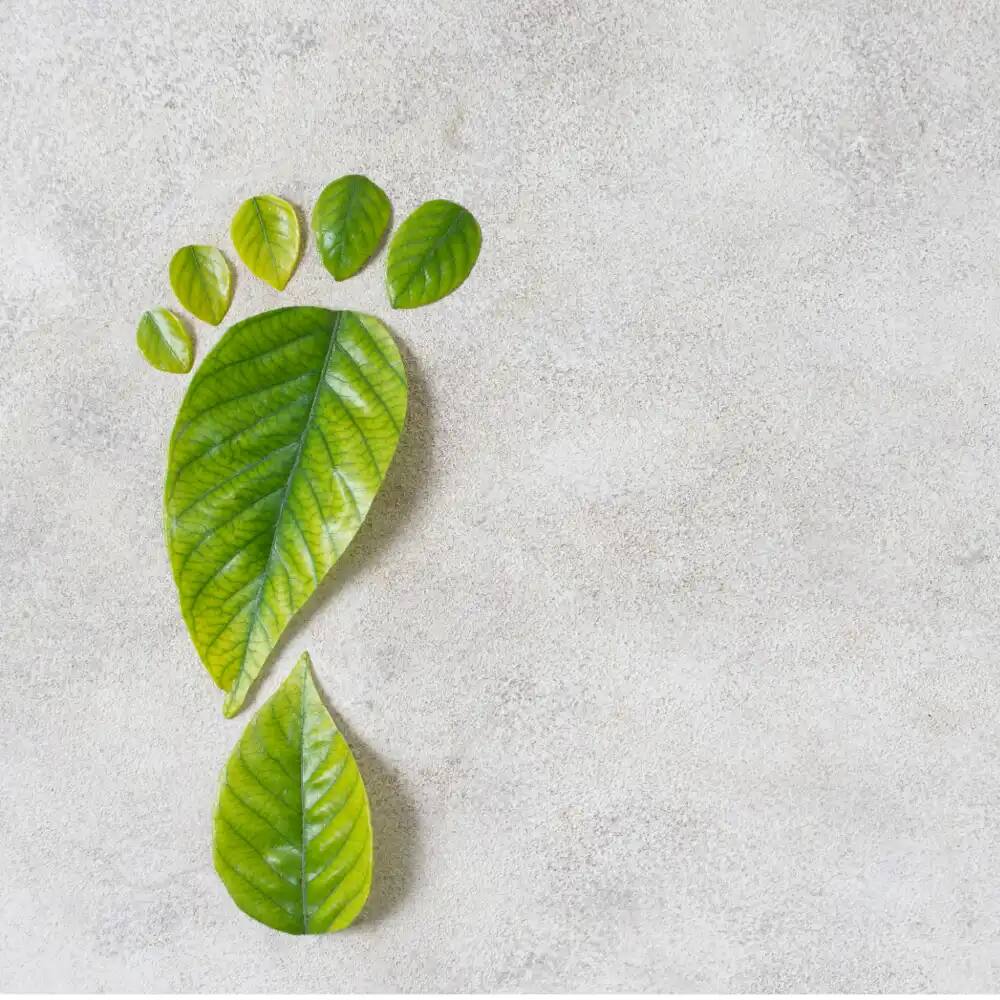

Our daily lives have a far greater impact on the climate than we realize. From the lights we switch on in the morning to the food we eat at dinner, from the phones we use to the clothes we wear—everything leaves behind an invisible carbon footprint. So, what exactly is this hidden carbon footprint, and how do our everyday habits affect the climate? In this article, we'll examine the environmental cost of our lifestyle and explore what we can do to reduce its impact.
The Digital Carbon Footprint: How Internet Use Affects the Environment
The internet is an essential part of modern life—but the digital world comes with an environmental cost. Every email, every search, every streamed video is powered by massive data centers that consume vast amounts of energy—most of it derived from fossil fuels.
Here's a simple example: sending a single email can emit around 4 grams of carbon, depending on its content. Watching videos has an even greater impact—each hour spent on YouTube leaves an estimated 10 grams of carbon footprint. Even small steps, like unsubscribing from unnecessary newsletters or cleaning up your cloud storage, can significantly reduce this effect.
Sustainable Fashion: The Carbon Story Behind Your Wardrobe
Behind every piece of clothing we wear lies a much larger environmental story. The textile industry is one of the world's biggest consumers of water and contributors to pollution. The culture of fast fashion encourages us to buy more and more, but the production, dyeing, shipping, and eventual disposal of these garments generate a massive carbon footprint.
For instance, the journey of a single cotton T-shirt—from the field to the store—can emit around 2.7 kilograms of carbon, roughly equivalent to driving a car for 10 kilometers. To make your wardrobe more sustainable, consider buying second-hand clothing, investing in high-quality, long-lasting pieces, or repairing garments to extend their lifespan. These are among the most effective ways to reduce your fashion footprint.
The Secret on Your Plate: Food Consumption and Carbon Emissions
Eating is one of our most basic needs—but every bite we take leaves a mark on the planet. The production, processing, packaging, and transportation of the food we consume generate significant carbon emissions.
Red meat and dairy products, in particular, account for a large portion of food-related emissions. Producing one kilogram of beef emits approximately 27 kilograms of greenhouse gases, while the same amount of lentils releases just 0.9 kilograms. Food waste amplifies the problem even further. Choosing smaller portions of meat, buying local and seasonal produce, and minimizing waste are great steps—for your health and for the planet.
Energy Vampires at Home: The Hidden Carbon Cost of Appliances
Our homes make us feel safe and comfortable—but household electronics can be hidden energy thieves. Televisions, computers, and even phones left charging continue to consume electricity while in standby mode. This is known as "phantom energy", and it can account for a significant share of household power use.
Choosing energy-efficient appliances, unplugging devices when not in use, and switching to LED bulbs can greatly reduce your energy bills and your carbon footprint over time. Smart thermostats and energy management systems can also help improve home efficiency while reducing emissions.
Shrinking Your Carbon Footprint Through Sustainable Transport
Transportation is one of the biggest sources of individual carbon emissions. Vehicles powered by fossil fuels release large amounts of greenhouse gases into the atmosphere. Your daily commute, holiday trips, and even short drives have a measurable impact on the climate.
Fortunately, sustainable alternatives exist. Using public transportation, biking, or walking benefits your health while reducing carbon emissions. Electric and hybrid cars are also greener options. If driving is unavoidable, adopting fuel-efficient driving techniques or joining car-sharing systems can help minimize your footprint.
The Hidden Face of Water Consumption: The Carbon Footprint of Water Use
We don't just use water for drinking, bathing, or cleaning. Before it reaches our homes, water undergoes a long journey—one that requires a lot of energy. Purifying, pumping, heating, and distributing water all create a substantial carbon footprint.
Reducing water waste is one of the simplest ways to cut emissions. Shorter showers, fixing leaks, and running the dishwasher only when full can lower both water use and carbon output. Washing clothes with cold water also helps by reducing the energy needed to heat water.
The Importance of Waste Management: The Hidden Carbon in Your Trash
Everything we throw away once required energy to produce. As waste decomposes in landfills, it releases potent greenhouse gases like methane, accelerating climate change. Therefore, waste management is not just about keeping the environment clean—it's closely tied to reducing our carbon footprint.
Recycling is one of the most effective ways to reduce waste and conserve the energy required to produce new materials. By recycling glass, plastic, paper, and metal, you can cut the emissions associated with manufacturing. Composting organic waste prevents greenhouse gas release and enriches the soil at the same time.
As you can see, every small habit in our daily lives affects the climate. But this is not a reason for despair—it's a call to action. Each mindful step we take can spark meaningful change. Remember: our future is shaped by the choices we make today. The steps you take now can build a more sustainable tomorrow.