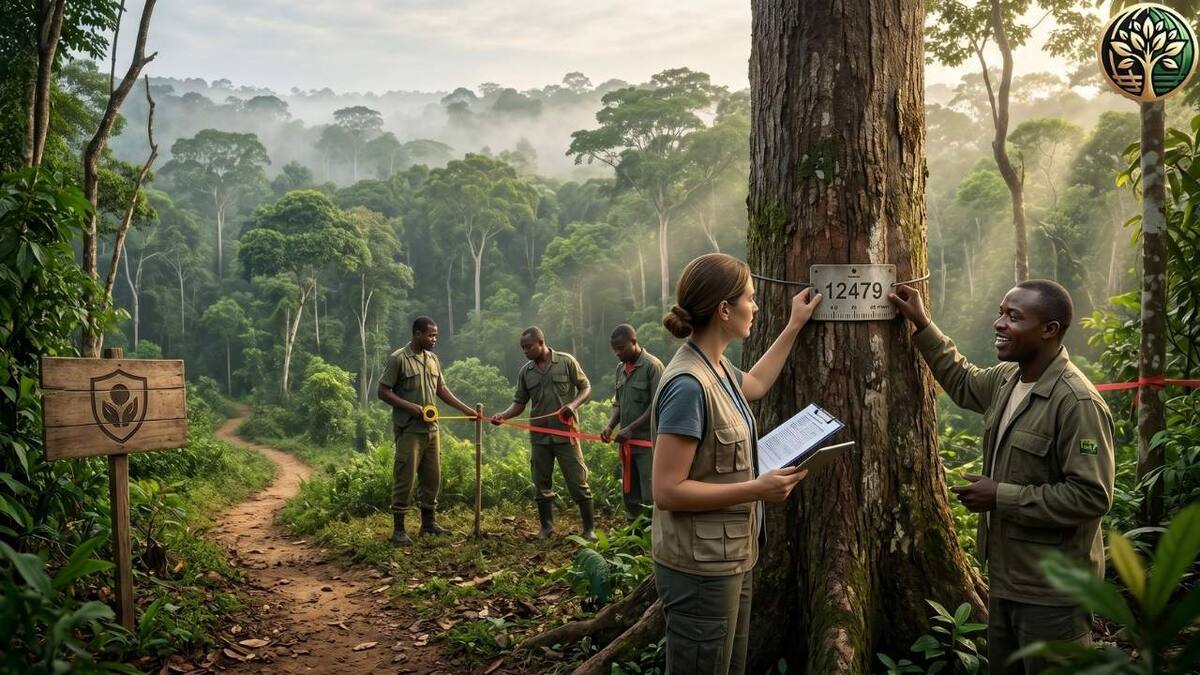

Sustainable forestry is essential for maintaining the health of our planet's forests while supporting economic and social needs. Implementing sustainable forestry practices effectively requires a balance between environmental conservation and resource utilisation. This article explores practical forestry sustainability techniques that can be applied to ensure forests continue to thrive for future generations.
Understanding Forestry Sustainability Techniques
Forestry sustainability techniques focus on managing forest resources in a way that meets current needs without compromising the ability of future generations to meet theirs. These techniques involve careful planning, monitoring, and management of forest ecosystems.
Some key forestry sustainability techniques include:
- Selective Logging: Harvesting only certain trees to maintain forest structure and biodiversity.
- Reforestation and Afforestation: Planting new trees to replace those harvested or to create new forested areas.
- Reduced Impact Logging (RIL): Minimising damage to the surrounding environment during logging operations.
- Agroforestry: Integrating trees with crops or livestock to enhance biodiversity and productivity.
- Forest Certification: Ensuring forests are managed according to recognised sustainability standards.
By applying these techniques, forest managers can protect wildlife habitats, maintain soil quality, and support local communities economically.
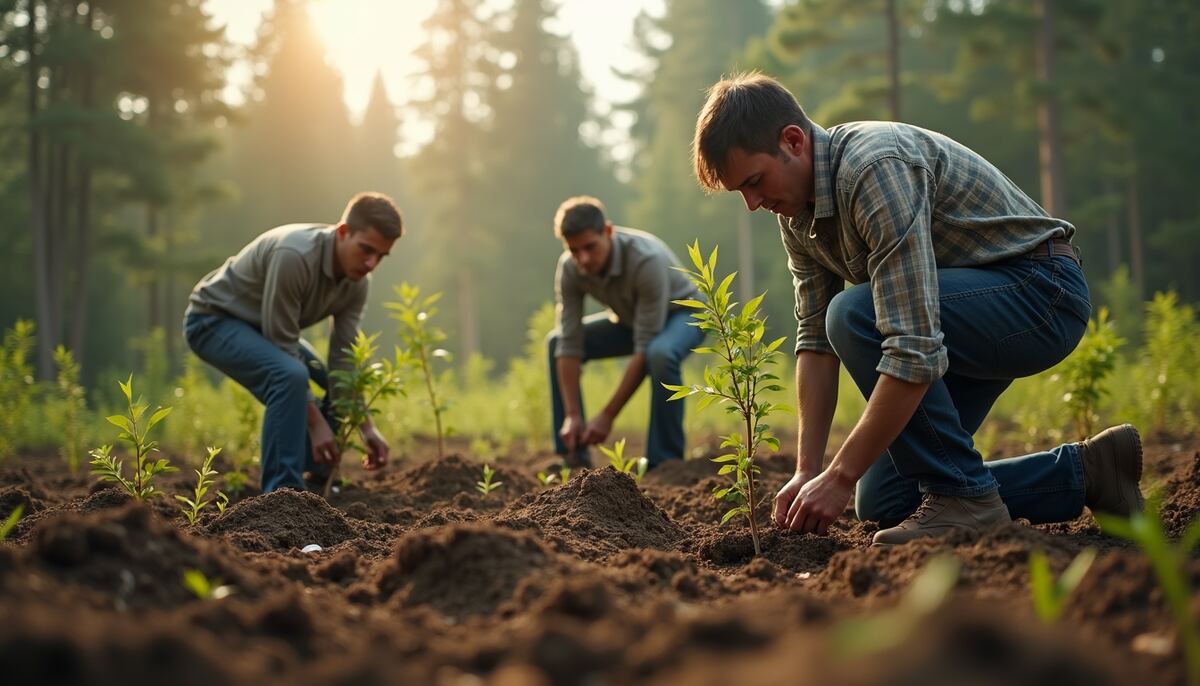
Practical Steps to Implement Sustainable Forestry Practices
Implementing sustainable forestry practices effectively involves several practical steps that forest managers and stakeholders can follow:
- Assessment and Planning — Conduct a thorough assessment of the forest area, including tree species, soil conditions, wildlife presence, and current forest health. Develop a management plan that outlines sustainable harvesting levels, conservation zones, and reforestation efforts.
- Community Engagement — Involve local communities in decision-making processes. Their knowledge and cooperation are vital for successful implementation and long-term sustainability.
- Training and Capacity Building — Provide training for forestry workers on sustainable techniques such as reduced impact logging and proper tree selection to minimise environmental damage.
- Monitoring and Evaluation — Regularly monitor forest conditions and the impact of forestry activities. Use this data to adjust management practices as needed.
- Use of Technology — Employ technologies like GIS mapping, drones, and remote sensing to track forest changes and improve management accuracy.
- Legal and Policy Support — Ensure compliance with national and international forestry laws and policies that promote sustainability.
By following these steps, forestry operations can reduce negative environmental impacts while maintaining productivity.
The Role of Certification in Forestry Sustainability Techniques
Forest certification plays a crucial role in promoting sustainable forestry practices. Certification schemes such as the Forest Stewardship Council (FSC) and the Programme for the Endorsement of Forest Certification (PEFC) provide standards that ensure forests are managed responsibly.
Certification benefits include:
- Market Access: Certified products often gain access to markets that demand sustainably sourced wood.
- Environmental Protection: Certification requires adherence to practices that protect biodiversity and water resources.
- Social Responsibility: It ensures respect for the rights of indigenous peoples and local communities.
- Transparency and Accountability: Certified forests undergo regular audits and public reporting.
To achieve certification, forest managers must implement forestry sustainability techniques consistently and document their practices. This process encourages continuous improvement and accountability.
Challenges in Implementing Sustainable Forestry Practices
Despite the benefits, several challenges can hinder the effective implementation of sustainable forestry practices:
- Economic Pressures: Short-term financial gains from intensive logging can discourage sustainable methods.
- Lack of Awareness: Some stakeholders may not fully understand the importance of sustainability.
- Insufficient Training: Without proper training, workers may unintentionally damage the forest.
- Illegal Logging: Unregulated logging activities undermine sustainability efforts.
- Climate Change: Changing climate conditions can affect forest health and complicate management.
Addressing these challenges requires coordinated efforts from governments, NGOs, industry, and communities. Providing incentives for sustainable practices and enforcing regulations are critical steps.
Enhancing Forestry Sustainability Techniques Through Innovation
Innovation can significantly enhance the effectiveness of forestry sustainability techniques. Some promising approaches include:
- Precision Forestry: Using data analytics and sensors to optimise forest management decisions.
- Genetic Improvement: Developing tree species that are more resilient to pests, diseases, and climate change.
- Carbon Sequestration Projects: Integrating forestry with carbon markets to provide financial incentives for conservation.
- Community-Based Forest Management: Empowering local communities to manage forests sustainably.
By embracing innovation, forestry operations can improve productivity while safeguarding ecosystems.
Implementing sustainable forestry practices effectively is a complex but achievable goal. By understanding and applying forestry sustainability techniques, engaging communities, overcoming challenges, and embracing innovation, we can ensure that forests continue to provide vital resources and ecological services for generations to come.