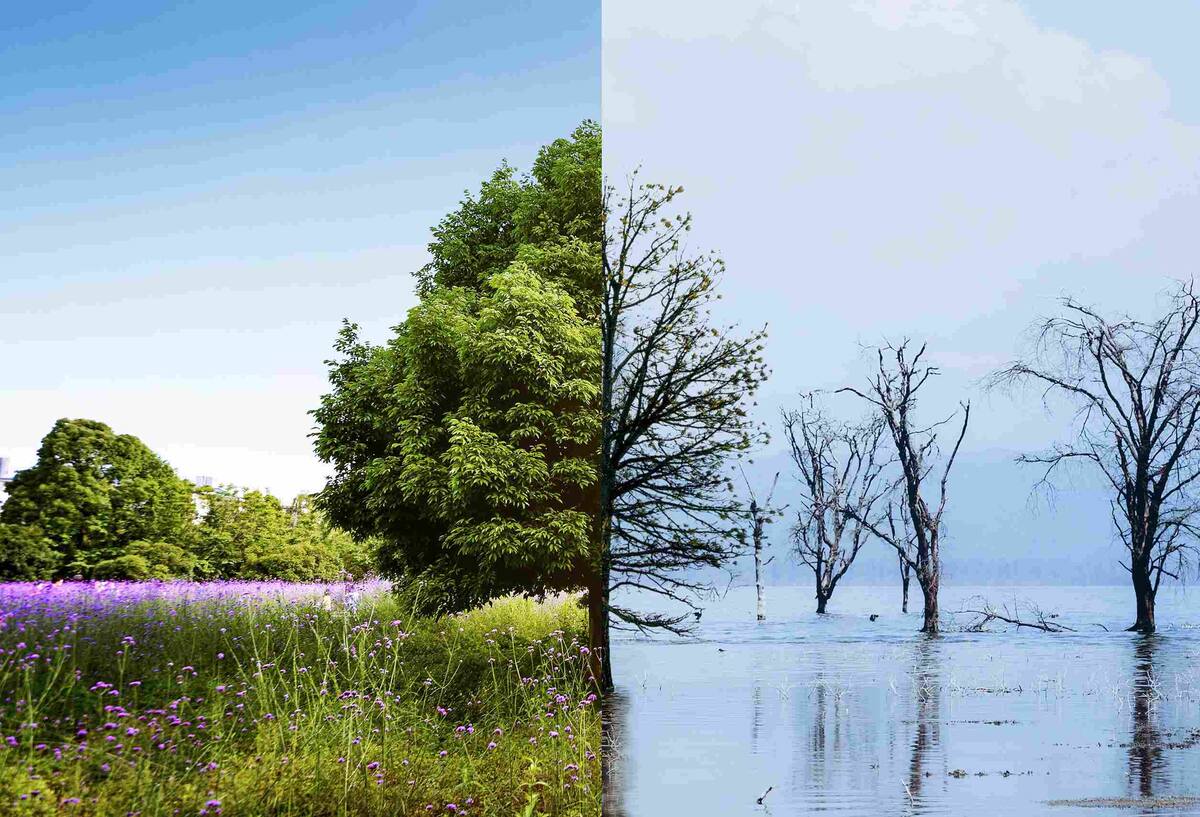
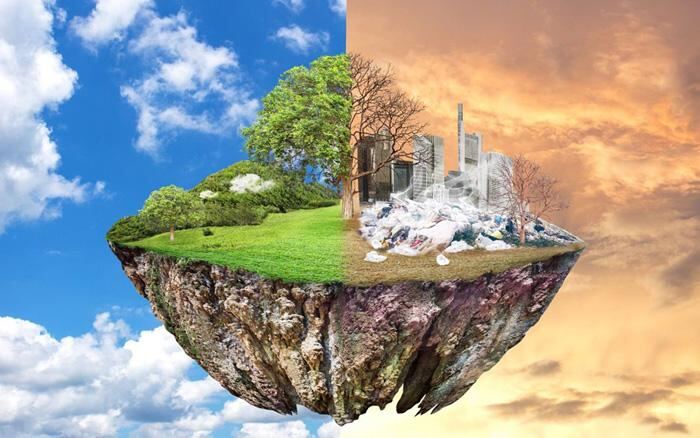
Climate change refers to fundamental and lasting changes occurring over many years in the Earth's average temperatures, precipitation patterns, wind systems, and other weather events. This phenomenon, unlike short-term weather fluctuations, involves changes in statistical distribution that manifest over decades or even thousands of years. Essentially, it is a phenomenon resulting from the alteration of Earth's natural climate systems, with these changes largely attributed to human activities. Scientists state that our planet's climate has changed many times throughout history due to natural processes. However, the changes we are witnessing today are progressing much faster and more severely than past natural cycles. The underlying reason for this acceleration is human activities. For this reason, many scientists, politicians, and media organizations are now using more striking terms like "climate crisis" or "climate emergency" instead of "climate change".
Global warming is the most prominent indicator of climate change. It is the increase in the planet's average surface temperature due to the accumulation of greenhouse gases released into the atmosphere as a result of human activities. This temperature increase leads to a domino effect of consequences such as melting glaciers, rising sea levels, and an increase in the frequency and intensity of extreme weather events.
What are the Causes of Climate Change? The causes of climate change are primarily divided into two main categories: "natural" and "human-induced (anthropogenic)". Throughout Earth's history, five major climate changes caused by natural factors have occurred, leading to the extinction of a large portion of living organisms. However, the current climate change, according to experts, is the sixth climate change disaster in Earth's history, and unlike previous naturally caused disasters, "human-induced" factors are dominant. It has been scientifically proven that humans are responsible for almost all of the global warming in the last 200 years.
A. Natural Causes:
Volcanic Eruptions: Ash, aerosols, and gases released into the atmosphere by volcanic eruptions can cause short-term cooling by blocking sunlight. However, these effects are generally temporary, and large-scale and continuous volcanic activity sufficient to explain the current rapid warming trend is not observed.
Solar Flares and Sunspots: The Sun is Earth's primary energy source, and natural variations in its activity (such as sunspots) can affect the amount of energy our planet receives. While temperature increases or radiation emissions can be observed after solar flares, these changes alone are not sufficient to explain the current rapid warming trend.
Ocean Currents: Cyclical ocean events like El Niño and La Niña can affect the global climate system, leading to changes in regional temperature and precipitation regimes. However, these cyclical events alone are also not strong enough to explain the permanent and rapid warming trend.
Animal Waste and Excessive Animal Consumption: Methane gas is released into the atmosphere from animal waste and especially from cattle farming activities. Excessive meat consumption indirectly contributes to the increase in livestock farming and greenhouse gas emissions.
Frozen Soils (Permafrost): The thawing of permafrost in glacial regions leads to the release of large amounts of greenhouse gases such as methane and carbon dioxide into the atmosphere, triggering global warming.
B. Human-Induced (Anthropogenic) Causes:
Human activities are the most significant and accelerating factor in climate change today. These factors generally lead to the strengthening of the "greenhouse effect" by increasing greenhouse gas emissions. The greenhouse effect is actually a natural process that keeps Earth at habitable temperatures. However, the uncontrolled increase in the amount of greenhouse gases released into the atmosphere by human hands disrupts this balance, causing the planet to overheat. The main human-induced causes are:
Burning of Fossil Fuels: The primary cause of climate change is the widespread use of fossil fuels such as coal, oil, and natural gas for energy production, transportation, industry, and heating. The combustion of these fuels releases large amounts of greenhouse gases such as carbon dioxide (CO2), methane (CH4), and nitrous oxide (N2O) into the atmosphere. CO2, in particular, is the most accumulated gas in the atmosphere and contributes the most to the greenhouse effect (at a rate of
Industrialization and Industrial Activities: Rapidly increasing production and consumption activities with the industrial revolution have significantly increased greenhouse gas emissions through high energy consumption and industrial processes. Sectors such as factories, chemical production facilities, and cement production lead to large amounts of greenhouse gas emissions.
Deforestation: Forests act as natural carbon sinks, absorbing carbon dioxide from the atmosphere and producing oxygen. However, the destruction of forested areas due to reasons such as clearing land for agriculture, establishing settlements, logging, and forest fires, both increases CO2 emissions into the atmosphere and eliminates carbon sinks. It is known that in recent years, mass tree drying, harmful insect outbreaks, and fires have increased in Turkish forests.
Rapid Population Growth and Consumption Habits: The rapid increase in the world's population increases the demand for energy, food, water, and other resources. This means more production, more transportation, and consequently more greenhouse gas emissions. Excessive consumption habits and inadequate recycling also increase the amount of waste, leading to methane gas emissions from solid waste disposal sites.
Agricultural Practices: Modern agricultural methods contribute to greenhouse gas emissions, especially through livestock (methane emissions), the use of synthetic fertilizers (nitrous oxide emissions), and irrigated agricultural areas like rice fields (methane emissions). Industrial farming activities also strengthen this effect.
Changes in Land Use: The conversion of natural areas for agriculture, urbanization, and infrastructure projects disrupts the ecosystem balance and affects the natural carbon cycle. Soil degradation can also lead to carbon emissions.
Consequences and Effects of Climate Change
Global warming caused by climate change is leading to very difficult-to-reverse changes in our planet's natural order. These changes have serious consequences in ecological, social, and economic areas:
Rising Sea Levels: The melting of ice sheets in polar regions, especially Greenland and Antarctica, and the thermal expansion of ocean waters due to warming, lead to rising sea levels. This situation will increase flooding in low-lying coastal areas and submerge densely populated areas, tourism sites, and agricultural lands.
Extreme Weather Events: The frequency and intensity of extreme weather events such as droughts, floods, severe hurricanes, storms, heatwaves, and blizzards are increasing. These events negatively affect agricultural production, damage infrastructure, and cause loss of life.
Drought and Decreased Water Resources: Irregularities in precipitation patterns lead to prolonged and severe droughts in some regions. This situation results in a decrease in water resources, making agricultural production difficult, and contributing to desertification. Especially, the increasing carbon footprint of individuals and institutions accelerates global warming, further increasing this drought risk.
Biodiversity Loss: Habitat loss, temperature changes, and extreme weather events cause the living areas of many plant and animal species to change or disappear. Sensitive ecosystems such as coral reefs are highly susceptible even to small temperature fluctuations. The disruption of the ecosystem balance threatens the food chain.
Food Security Issues: Droughts, floods, and extreme temperatures negatively affect agricultural production, leading to food shortages and price increases. This situation causes serious food security problems, especially in developing countries.
Public Health Issues: Increased air pollution causes a rise in respiratory diseases, while extreme temperatures trigger health problems such as heatstroke. Additionally, the risk of water and foodborne diseases spreading also increases.
Climate Migration: Millions of people are forced to leave their homes due to water scarcity, soil infertility, rising sea levels, and natural disasters, leading to climate migration.
Our Responsibility for the Future: Green Gold Foundation's Mission
As the Green Gold Foundation, we are aware of our responsibility in this critical process. Combating climate change is a shared responsibility not only of governments or large corporations but also of every individual and every organization. Our goal is to combat this global problem by raising awareness, promoting sustainable practices, and supporting the transition to renewable energy sources.
Education and Awareness: Informing all segments of society about the causes and consequences of climate change is a fundamental step to encourage behavioral changes.
Sustainable Lifestyles: Individual steps such as saving energy, using public transport, adopting sustainable food consumption, and reducing waste can make a big impact.
Transition to Renewable Energy: Investing in clean energy sources like solar, wind, and hydroelectric power, moving away from fossil fuels, is the most effective way to reduce emissions.
Forest Protection and Afforestation: Protecting forests, which are carbon sinks, and implementing new afforestation projects help balance the amount of carbon dioxide in the atmosphere.
Circular Economy and Recycling: Transitioning to a circular economy model where resources are used efficiently, waste is minimized, and product lifecycles are extended, reduces environmental impact.
Carbon Credit Donations and Carbon Footprint Reduction: Individuals and institutions can prevent the climate crisis by donating carbon credits to offset the carbon emissions they cause. These donations contribute to reducing the amount of greenhouse gases in the atmosphere by supporting renewable energy projects, afforestation, or energy efficiency projects. Along with our efforts to reduce our own carbon footprint, carbon credit mechanisms offer a powerful tool to offset our negative environmental impact and invest in a more sustainable future.
As the Green Gold Foundation, as emphasized on our website, we believe in the power of cooperation and collective action for a sustainable future. It is time to act together to protect our planet and future generations. Remember, every small step we take can make a big difference in combating the climate crisis.