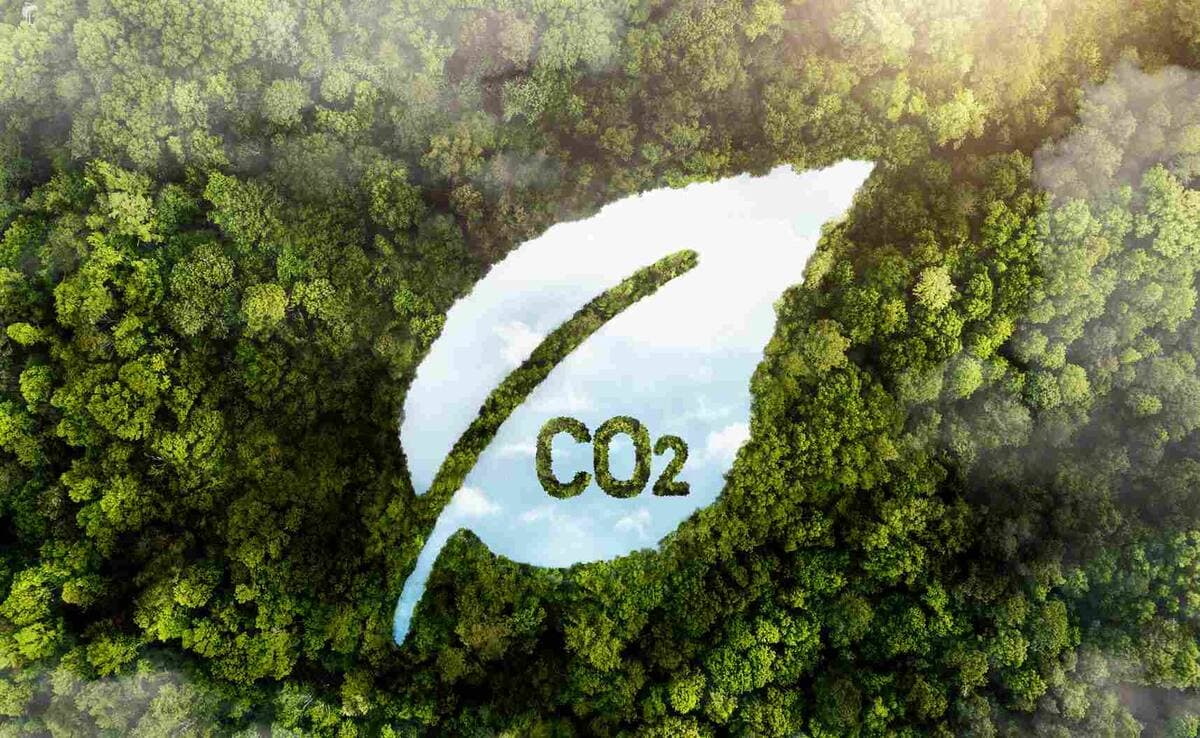
Forests are among the most vital and fragile components of the global ecosystem. These green giants are not only the lungs of our planet but also form our strongest natural defense line against the climate crisis. Through the miraculous process of photosynthesis, trees absorb billions of tons of carbon dioxide (CO₂) from the atmosphere and store this carbon in their trunks, branches, and roots. This natural mechanism is a crucial part of the Earth's complex carbon cycle and helps balance the accumulation of greenhouse gases in the atmosphere, slowing down the effects of global warming.
The existence of a forest not only improves air quality but also prevents soil erosion, regulates the water cycle, and preserves biodiversity by hosting countless species. Unfortunately, deforestation and forest degradation are irreversibly disrupting this delicate balance. When a forest is destroyed, the carbon accumulated over years is released back into the atmosphere, reversing the storage process. This increases the concentration of greenhouse gases and accelerates global warming. Forests are not just green landscapes—they are indispensable actors in maintaining the planet's climate balance. Protecting these carbon sinks is the foundation of our sustainable and net-zero goals. Losing our forests endangers not only today but also the right of future generations to live on a habitable planet.
How Increasing Forest Fires Expand Our Carbon Footprint
One of the most devastating and visible consequences of the climate crisis is the growing frequency and intensity of forest fires worldwide. From the Mediterranean basin to Siberia's boreal forests, from the Amazon's tropical rainforests to Australia's vast bushlands, millions of hectares burn every year. These fires not only destroy living vegetation but also suddenly release enormous amounts of carbon stored in the soil and understory vegetation into the atmosphere. When a forest burns, the carbon accumulated over years of photosynthesis transforms within seconds into carbon dioxide, methane, and nitrous oxide—powerful greenhouse gases that exponentially expand our planet's carbon footprint. This process not only accelerates global warming but also creates the hot and dry conditions that further increase the risk of fires.
This vicious cycle clearly shows that fires are both a cause and a consequence of the climate crisis. Scientists predict that fires will become more frequent and more intense in the coming decades. The burning of a forest is not merely a biological tragedy—it is an ecological debt. We emphasize the need to address the carbon impact of wildfires and call for global awareness, preventive measures, and international cooperation to break this destructive cycle.
Corporate Responsibility: What Should Companies Do to Fight Fires?
Combating the climate crisis is no longer solely the responsibility of governments or environmental organizations—it has become a fundamental duty for every sector and institution. For companies operating in high-carbon-emission industries, revising sustainability policies is no longer optional but a necessity for the planet's future. Businesses must treat climate risks as financial risks and shape their long-term strategies accordingly. Forest fires not only destroy biodiversity but also pose one of the biggest threats to achieving carbon-neutral targets.
Corporate responsibility is not about elegant sentences in reports—it requires concrete and measurable actions. The role of companies in fighting fires extends from reducing their direct carbon footprint to actively supporting forest conservation projects. Examples include building eco-friendly supply chains, accelerating the transition from fossil fuels to green energy sources, funding reforestation projects, investing in early-warning systems, and supporting fire-fighting technologies. We invite the business world to shift from a model focused solely on financial success to one that contributes to ecological balance and social well-being. Corporate leadership in this area is critical for both environmental and economic sustainability.
The Steps We Are Taking
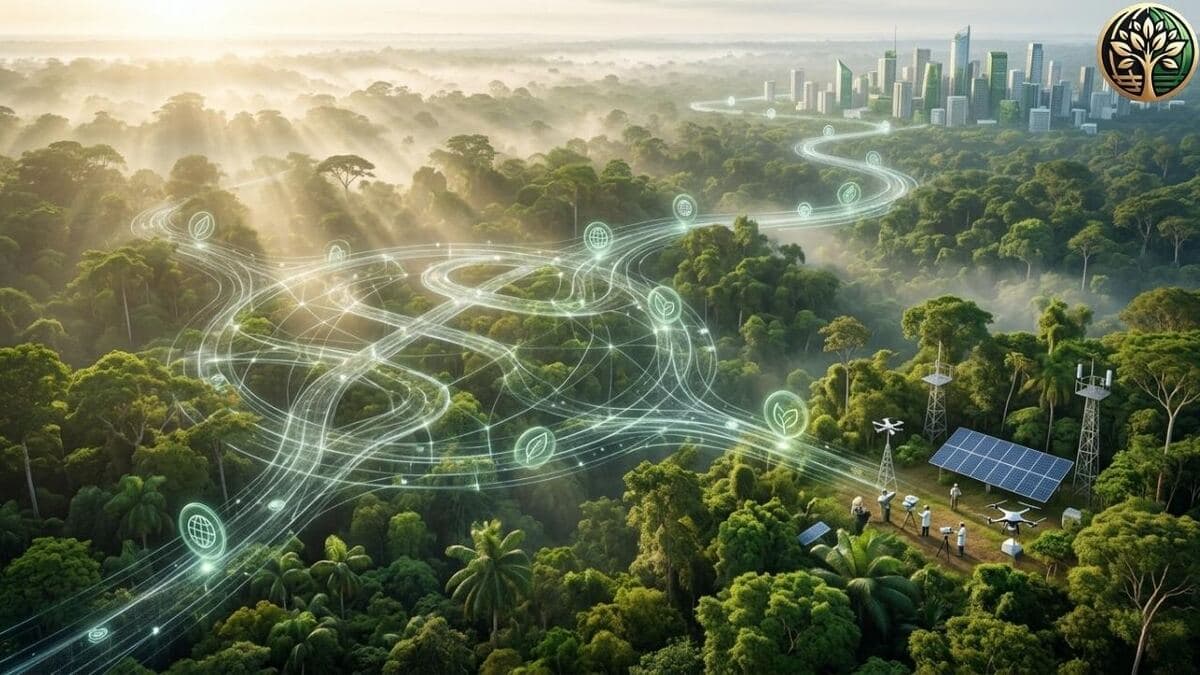
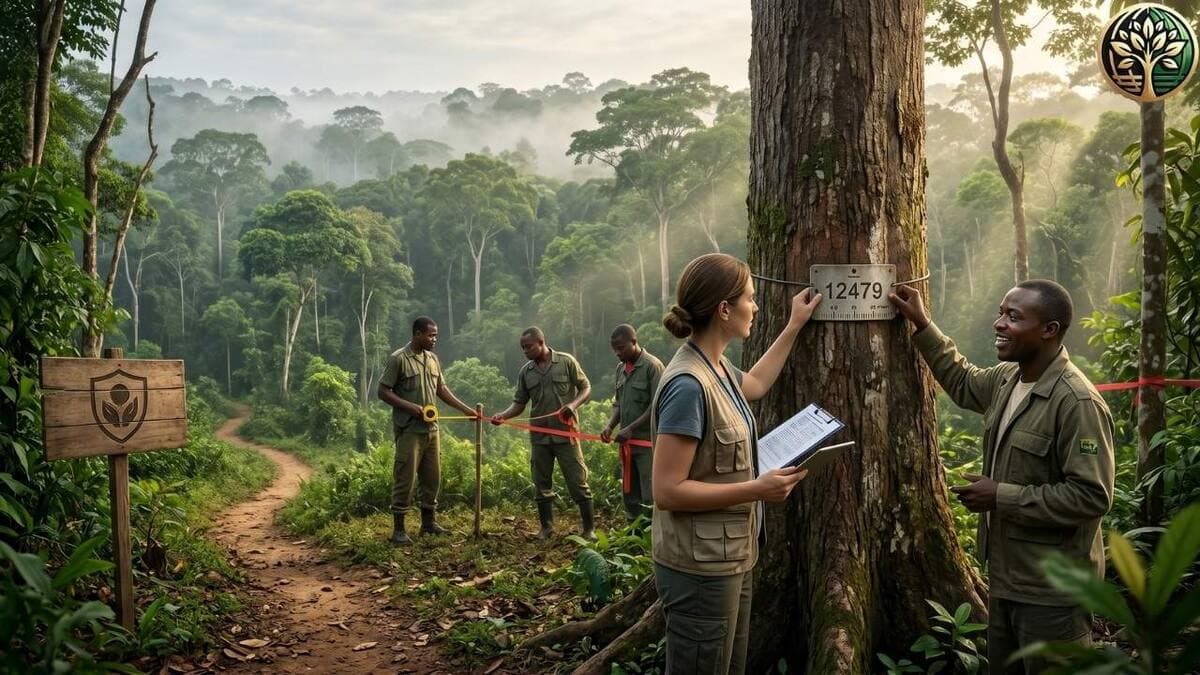
For us, a carbon-neutral future vision is not just an ideal—it is a scientifically grounded, transparent, and measurable action plan. At the center of this plan lie forest conservation, reforestation efforts, and nature-based solutions. Together with our expert team, we identify forest areas at risk and develop protection projects in collaboration with local communities. Through our reforestation initiatives, we aim to restore fire-damaged areas and create new forest zones.
Through our carbon-offset mechanisms, we provide companies and individuals with comprehensive consulting services to calculate, reduce, and compensate for their carbon footprints. In doing so, we collaborate with certified global projects to ensure that every investment yields the most effective results for nature. Through our educational programs and digital campaigns, we aim to raise public awareness of sustainability and invite people of all ages to be part of this movement. Our foundation is committed to building a greener world for all by taking science-based, transparent, and sustainable actions in harmony with nature.
What Can You Do as an Individual?
In the face of the climate crisis, individual efforts may seem insignificant, yet when combined, they create a collective impact that drives massive change. Reshaping our consumption habits is the first essential step. Simple choices—such as reducing meat consumption, preferring sustainably farmed products, and avoiding unnecessary packaging—help relieve pressure on deforestation.
Changing how we travel is also key. Walking or cycling for short distances, using public transportation more often, and minimizing air travel directly reduce our carbon footprint. Recycling, avoiding single-use products, and conserving energy are small yet powerful actions that start at home. Most importantly, taking steps to offset your carbon footprint matters. Donating saplings through reliable NGOs, supporting certified carbon-offset projects, and volunteering with local forest-fire monitoring networks are tangible ways to protect our forests. We believe that every individual's participation in this movement is vital for the future of our planet.
Climate Solidarity: Protecting Forests Together
Protecting forests is not only an ecological responsibility but also an ethical and humanitarian duty. No institution or individual stands alone in this mission. Fighting the climate crisis can only yield meaningful results when local governments, NGOs, the private sector, and individuals act in strong cooperation. This solidarity is crucial not only for implementing preventive measures before fires occur but also for accelerating post-fire rehabilitation processes and enforcing national climate policies more effectively.
Our organization works to unite all stakeholders around one table, encouraging knowledge sharing and joint action plans to build a future grounded in solidarity. This spirit of collaboration is our strongest weapon against the climate crisis. By acting together, we can protect our forests, secure the future of our planet, and leave a more livable world for generations to come.