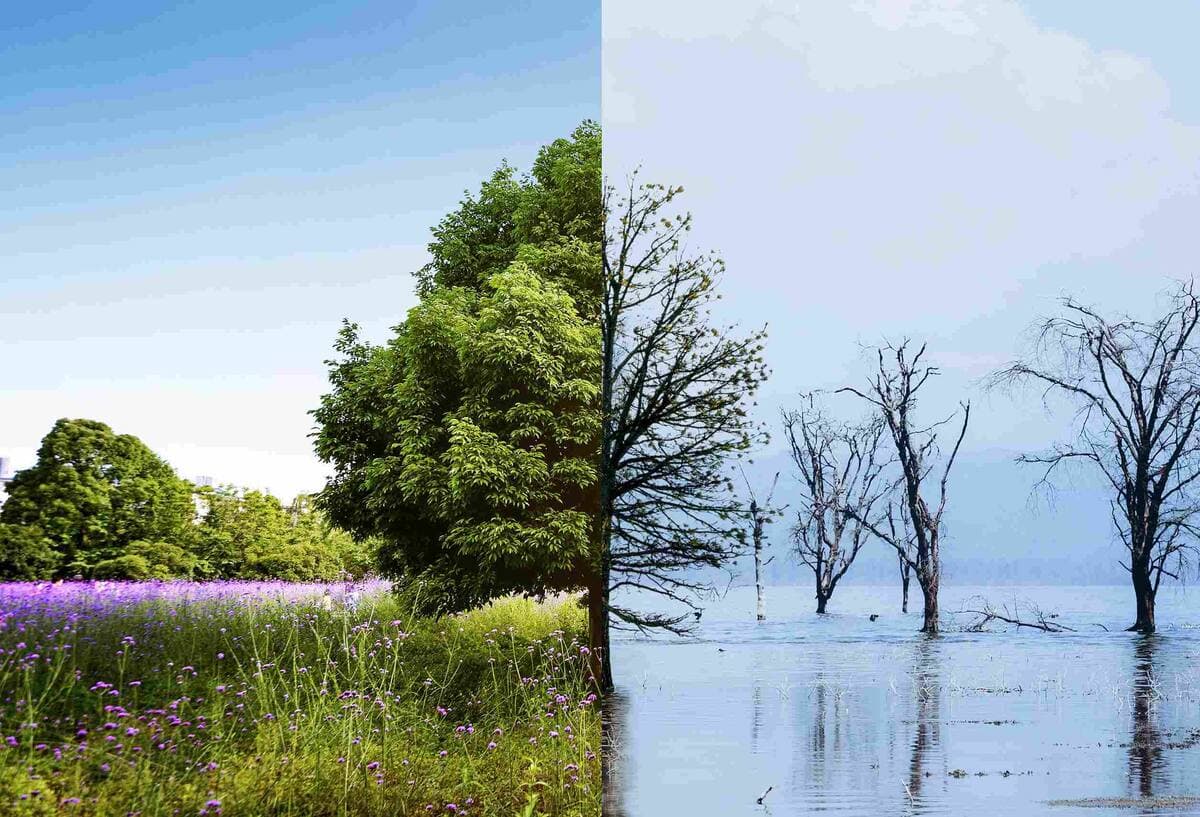
The sunset turning the sky crimson, the first blossoms of spring, the heat of summer, and the snow of winter… Nature has followed its own rhythm for millions of years. Yet, something in that rhythm has changed in the past century. The planet is warming, extreme weather is intensifying, and ecosystems are sounding the alarm. These are no longer the stuff of science fiction—they are realities we face every day: climate change. But what does this change mean, and is our planet's future truly in danger? In this article, we'll examine the science behind climate change, its current effects, and what kind of future awaits us. The goal is to underscore the urgency of the issue while showing that there are still ways to act without falling into despair.
The Science Behind Climate Change
The main cause of climate change is the increase in greenhouse gases in the atmosphere as a result of human activity. To understand this, we first need to look at the greenhouse effect—a natural process that keeps Earth at a temperature suitable for life.
Sunlight reaches Earth, and while some of it is absorbed by the surface, part of it is reflected back into space. Greenhouse gases such as carbon dioxide (CO₂), methane (CH₄), and nitrous oxide (N₂O) trap some of this reflected heat, keeping the planet warm enough for life. Thanks to this natural mechanism, Earth's average surface temperature remains around 15°C. Without it, our planet would be a frozen −18°C—unsuitable for life as we know it.
However, since the Industrial Revolution, this delicate balance has been disrupted. Humans have burned vast quantities of fossil fuels—coal, oil, and natural gas—for energy, transportation, and industry. This has released massive amounts of greenhouse gases into the atmosphere. At the same time, deforestation (trees are natural carbon absorbers) has worsened the problem. According to scientific data, the Earth's average temperature has risen by approximately 1.2°C since the late 19th century—most of it in just the past 40 years. This rate of warming far exceeds natural cycles, leaving ecosystems struggling to adapt.
The Intergovernmental Panel on Climate Change (IPCC) and other international scientific bodies have repeatedly confirmed that climate change is unequivocally caused by human activity. The data clearly shows that this is not a natural fluctuation—it is the direct result of human actions.
Current Impacts: A Global Threat with Devastating Consequences
Climate change is not just about rising temperatures—it's a complex crisis that creates a domino effect across the planet's systems. Today, we can see its tangible effects everywhere:
Melting Glaciers and Rising Sea Levels: Massive ice sheets in Greenland and Antarctica are melting rapidly, raising ocean levels and threatening coastal cities and low-lying regions with flooding. For example, Indonesia has decided to relocate its capital city, Jakarta, due to the growing risk of submersion. Even historic cities like Venice are regularly inundated.
Extreme Weather Events: Global warming increases the energy in the atmosphere, fueling more frequent and intense hurricanes, storms, floods, and prolonged droughts. Recent wildfires in Australia and the U.S., catastrophic floods in Pakistan and Germany, and droughts across Africa are painful reminders of this reality.
Loss of Biodiversity: Rising temperatures endanger countless plant and animal species. Coral reefs are dying due to ocean warming and acidification. Polar bears and other species that depend on ice are losing their habitats. UN reports warn that over one million species are at risk of extinction.
Food and Water Insecurity: Drought reduces agricultural productivity, threatening food supplies and raising prices—especially in vulnerable regions. Meanwhile, freshwater resources are diminishing, leaving millions struggling for access to clean water.
Health Risks: Heatwaves, respiratory illnesses, and the spread of infectious diseases are increasing. Mosquito-borne diseases such as malaria and dengue are now appearing in regions where they were previously unknown.
Is Our Future in Danger? Yes — But It's Not Too Late
The current trajectory of climate change may seem to point toward a grim future. If greenhouse gas emissions continue unchecked, scientists predict that global temperatures could rise by more than 3°C by the end of this century. Such an increase could trigger irreversible ecological and social collapse.
However, there is still hope. Because climate change is caused by human actions, it can also be mitigated by human solutions. Governments, corporations, and individuals all have the power to reverse this course through decisive action.
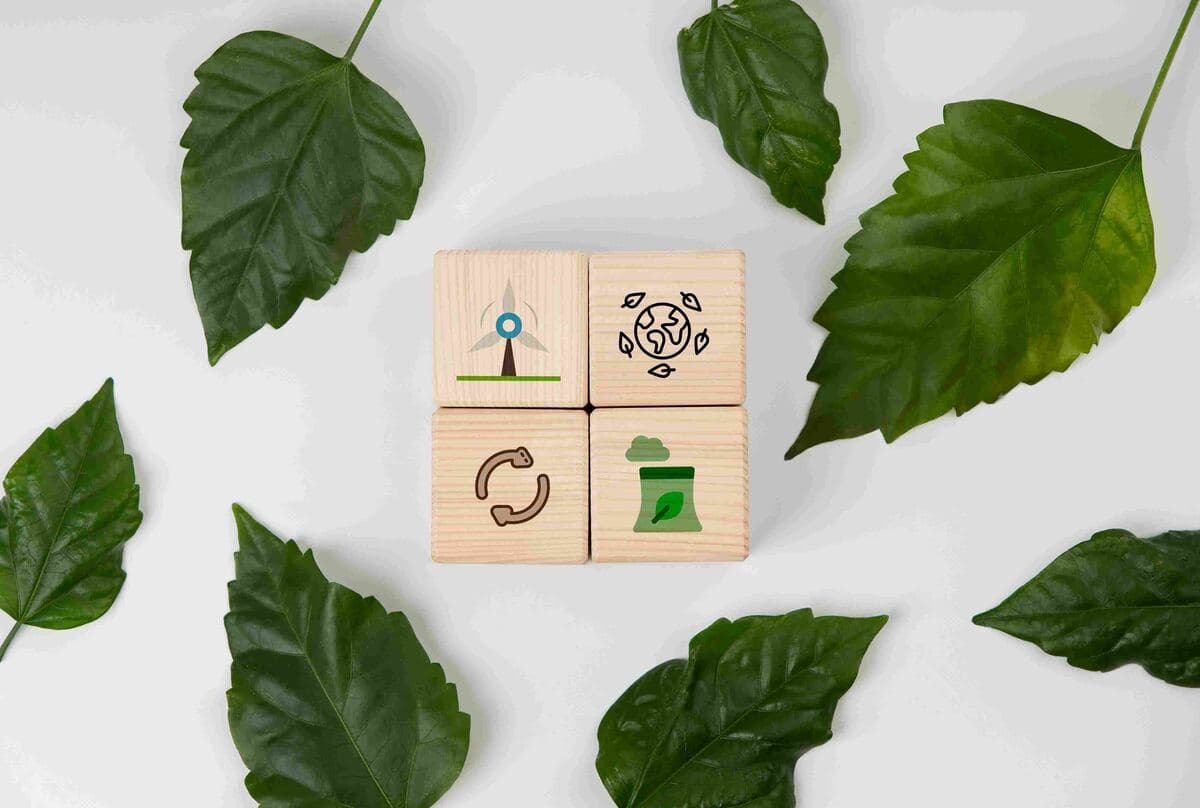
Investment in Renewable Energy: Transitioning away from fossil fuels toward clean sources like solar, wind, and geothermal energy is crucial. These technologies are rapidly advancing and becoming more affordable, allowing countries and companies to reduce their dependence on fossil fuels.
Energy Efficiency: Reducing energy waste in homes, workplaces, and industries lowers both costs and emissions. Building energy-efficient structures, promoting public transport, and using low-consumption devices are vital steps toward this goal.
Sustainable Transport and Agriculture: Shifting to electric vehicles, expanding public transit, creating more bike lanes, reforestation, and sustainable farming can make a significant difference. Emphasizing plant-based diets and reducing food waste can also drastically cut agricultural emissions.
Conscious Consumption and Waste Management: Each of us can make an impact by consuming less, recycling more, and avoiding waste. Embracing a "zero waste" lifestyle and minimizing single-use plastics helps reduce the burden on our planet.
Individual Responsibility: The Starting Point for Change
We often ask, "What difference can one person make?" The truth is, millions of small actions can lead to a global transformation. Even questioning how a T-shirt is made, transported, and disposed of can be the first step toward conscious consumption. Saving energy at home, turning off running taps, or repairing instead of replacing—each of these actions is a small act of kindness toward the Earth.
Fighting climate change is not only about technology—it's also about mindset and lifestyle. Building a society that consumes less, shares more, and lives in harmony with nature while caring for future generations is key to overcoming this crisis. Demanding sustainable policies from governments and companies, joining campaigns, and supporting environmental organizations are all part of our personal responsibility.
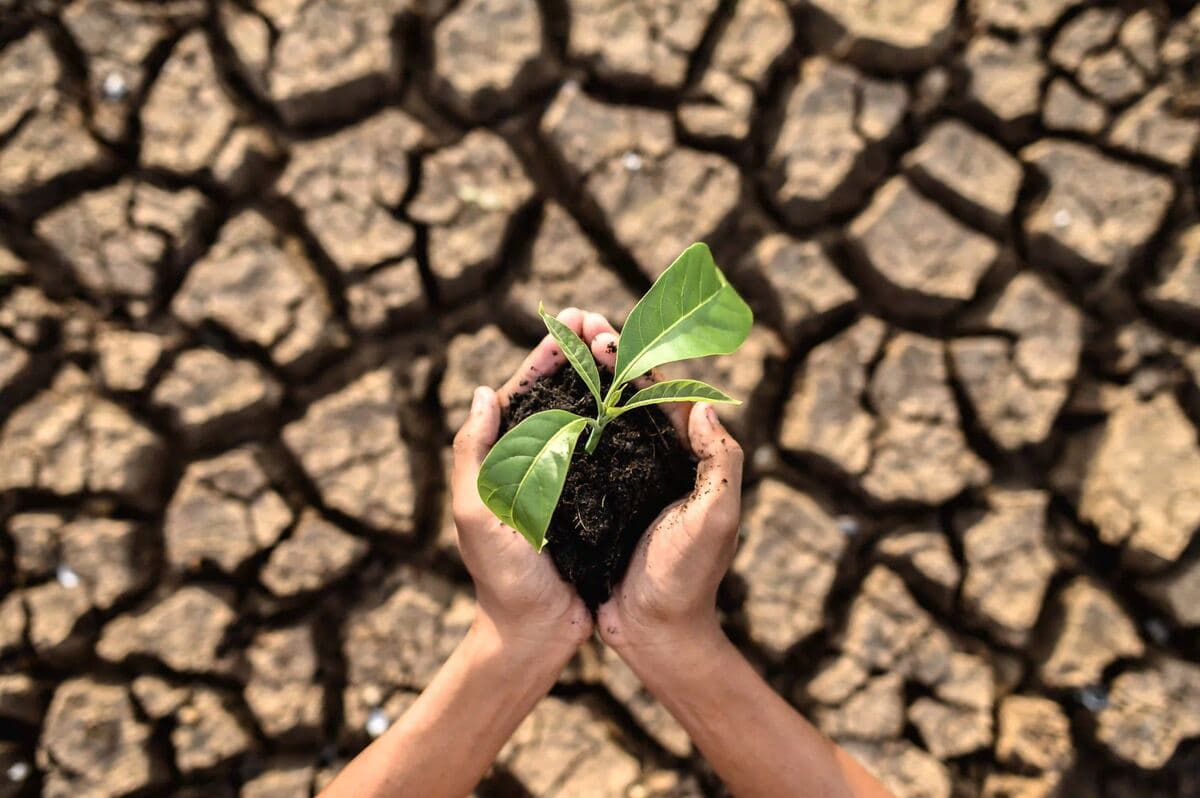
The future of our planet is indeed in danger, but it is not destiny—it is a choice. As humanity, will we continue our dependence on fossil fuels, or will we unite to build a more sustainable, fair, and green future? The answer lies in every action we take. Remember: change begins with small steps, and the time to act is now.
Instead of giving in to despair, we can turn this crisis into an opportunity—to build a better, more livable world. So, what will you start doing today to leave a sustainable legacy for future generations?