Environmental education is a vital tool in fostering awareness and understanding of the natural world and the challenges it faces. It equips individuals with the knowledge and skills necessary to make informed decisions and take responsible actions to protect the environment. As global environmental issues become increasingly urgent, the role of environmental education insights in shaping sustainable behaviours cannot be overstated.
Understanding Environmental Education Insights
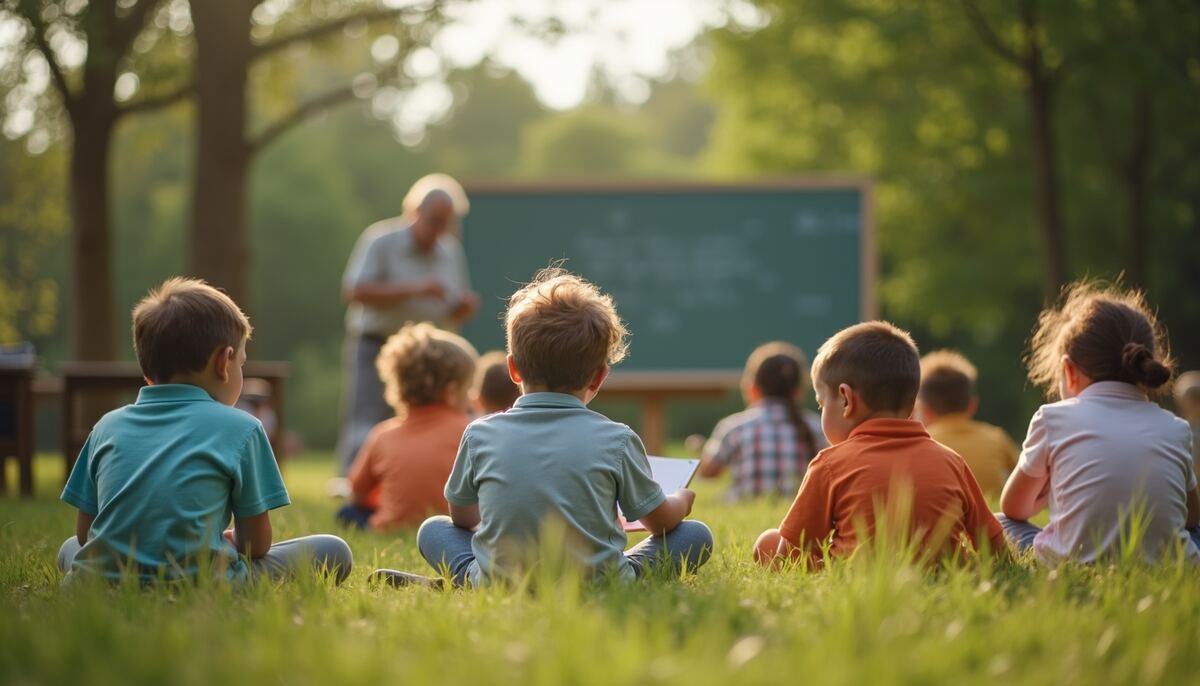
Environmental education insights provide a comprehensive understanding of how ecosystems function, the impact of human activities, and the importance of conservation. These insights help learners connect with nature on a deeper level, encouraging empathy and stewardship. For example, teaching children about the water cycle and pollution can inspire them to reduce waste and conserve water at home.
Practical environmental education includes activities such as:
- Field trips to natural reserves or parks
- Hands-on projects like tree planting or recycling drives
- Interactive workshops on climate change and biodiversity
These experiences make learning tangible and memorable, fostering a lifelong commitment to environmental care.
The Role of Environmental Education Insights in Behaviour Change
One of the most significant benefits of environmental education is its ability to influence behaviour. When people understand the consequences of their actions, they are more likely to adopt sustainable habits. For instance, educating communities about the effects of plastic pollution can lead to increased recycling and reduced single-use plastic consumption.
Environmental education insights also promote critical thinking, enabling individuals to evaluate information and make choices that benefit the environment. Schools and organisations can implement programmes that:
- Highlight local environmental issues
- Encourage participation in community clean-up events
- Teach energy-saving techniques for homes and workplaces
By integrating these practices, environmental education becomes a catalyst for positive change.
Practical Applications of Environmental Education Insights
Applying environmental education insights in everyday life is essential for creating a sustainable future. Here are some actionable recommendations:
- At Home: Use energy-efficient appliances, reduce water usage, and compost organic waste.
- In Schools: Incorporate environmental topics into the curriculum and organise eco-clubs.
- In Communities: Support local conservation projects and advocate for green policies.
These steps demonstrate how knowledge can translate into meaningful action. For example, a school that teaches students about native plants might start a garden that supports local wildlife, enhancing biodiversity.

Challenges and Opportunities in Environmental Education Insights
Despite its importance, environmental education faces challenges such as limited resources, lack of trained educators, and varying levels of public interest. However, these obstacles also present opportunities for innovation. Digital platforms and social media can expand the reach of environmental education, making it accessible to a broader audience.
Collaborations between governments, NGOs, and educational institutions can enhance programme quality and impact. For example, interactive apps that simulate environmental scenarios can engage users in problem-solving and decision-making exercises.
Moving Forward with Environmental Education Insights
To maximise the benefits of environmental education, it is crucial to prioritise it at all levels of society. Policymakers should integrate environmental education into national curricula and provide funding for teacher training. Communities can foster a culture of sustainability by organising awareness campaigns and supporting local green initiatives.
By embracing environmental education insights, individuals and organisations can contribute to a healthier planet. This approach not only addresses current environmental challenges but also prepares future generations to be responsible custodians of the Earth.
Environmental education is a powerful tool that empowers people to make a difference. Its insights inspire action, promote sustainability, and build a more resilient world for all.